
Your Cart is Empty


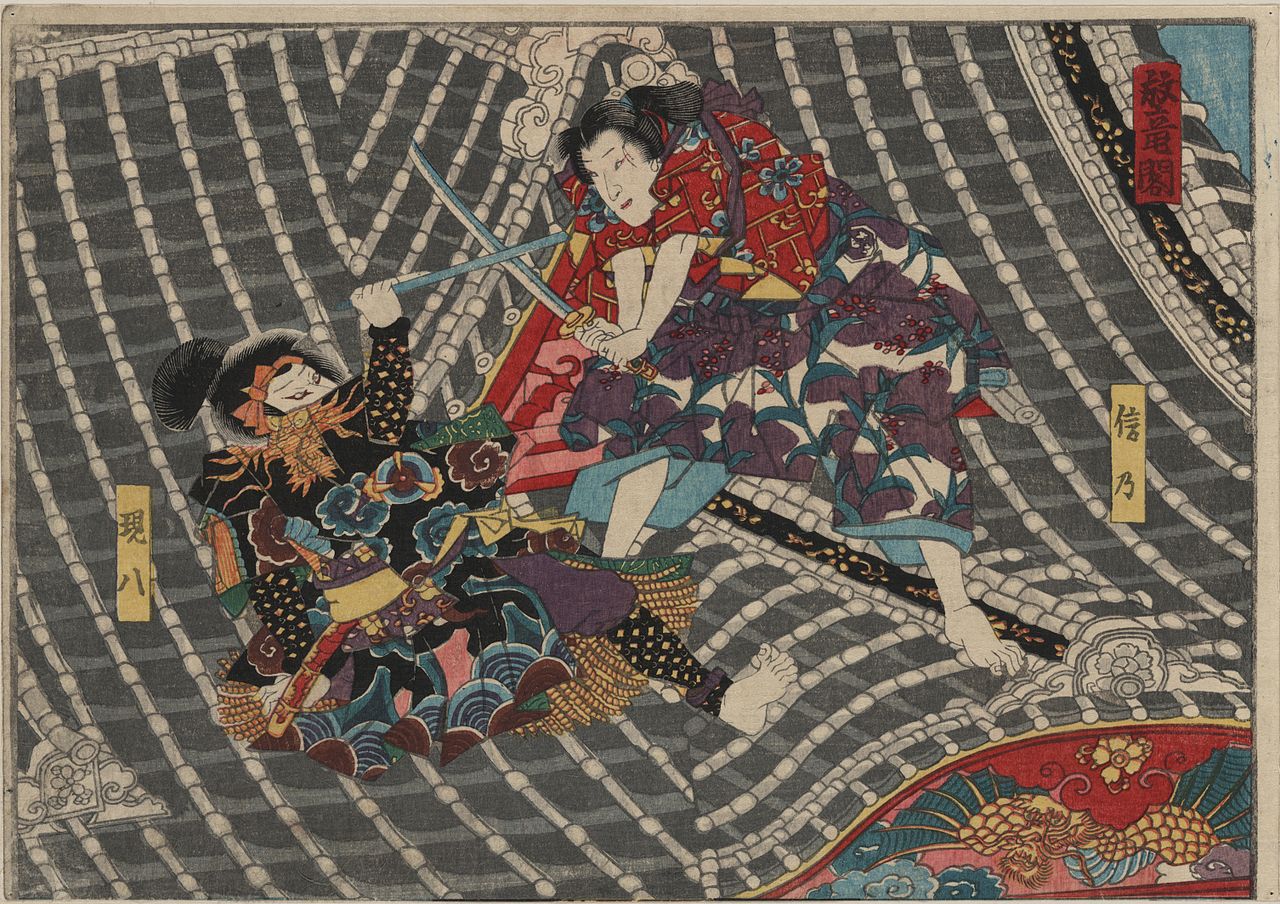
 Swordsmanship has been around in Japan for thousands of year. While all forms of traditional Japanese swordsmanship are classified as kenjutsu, there are dozens of smaller and more specific styles, including Jigen-ryū. In this post, we're going to take a closer look at this traditional style of Japanese swordsmanship, revealing five facts about Jigen-ryū that you probably didn't know.
#1) It Emphasizes Preemptive Striking
A key concept of Jigen-ryū is preemptive striking. According to this traditional style of Japanese swordsmanship, a second strike isn't even necessarily if the first one is performed correctly. Therefore, practitioners of Jigen-ryū are encouraged to perform preemptive strikes, which typically involves cutting a target made of bamboo.
#2) It Originated in the 1500s
The origins of Jigen-ryū can be traced back to the late 1500s, during which Japanese martial arts expert Togo Chui founded a school in Japan's Satsuma Province. There were countless other martial arts schools at the time, but Chui's school used a different set of teachings -- and these teachings would later become known as Jigen-ryū.
#3) Practitioners Perform Running Slice Attacks
While raising their sword high above their shoulders, practitioners of Jigen-ryū perform running slice attacks on a target. They begin by standing a moderate distance away from a target. After raising their sword above one of their shoulders, practitioners run towards the target. And shortly before reaching the target, they lower their sword while cutting it diagonally. Along with preemptive striking, this is a core concept of Jigen-ryū.
#4) Traditionally, Practitioners Would Perform 11,000 Practice Strikes Daily
In the past, practitioners of Jigen-ryū would spend a lot of time performing practice strikes. Historical findings suggest that practitioners during Japan's Edo period would perform an average of 3,000 practice strikes in the morning hours, followed by another 8,000 practice strikes in the afternoon hours. Of course, this went on for many consecutive days, allowing practitioners to fine-tune their swordsmanship skills through Jigen-ryū.
#5) It's Still Practiced in the Same Region in Which It Was Invented
Even today, Jigen-ryū is still practiced in the same region of Japan in which it was invented. Granted, the region has since been renamed from Satsuma Province to Kagoshima Perfecture, but there are still Jigen-ryū schools teaching this traditional Japanese martial art to students.

Toyotomi Hideyoshi's 1588 order to collect farmers' weapons: what the edict said, how it was carried out, and why historians see it as a change of status more than disarmament.

Where handle rattles come from, how to check safely, when a mekugi needs replacing, and when to stop using the sword.

Around 170 Viking-age blades bear the name Ulfberht. Microscope studies show some were made of crucible steel and many were copies. Here is what we know.


