
Your Cart is Empty


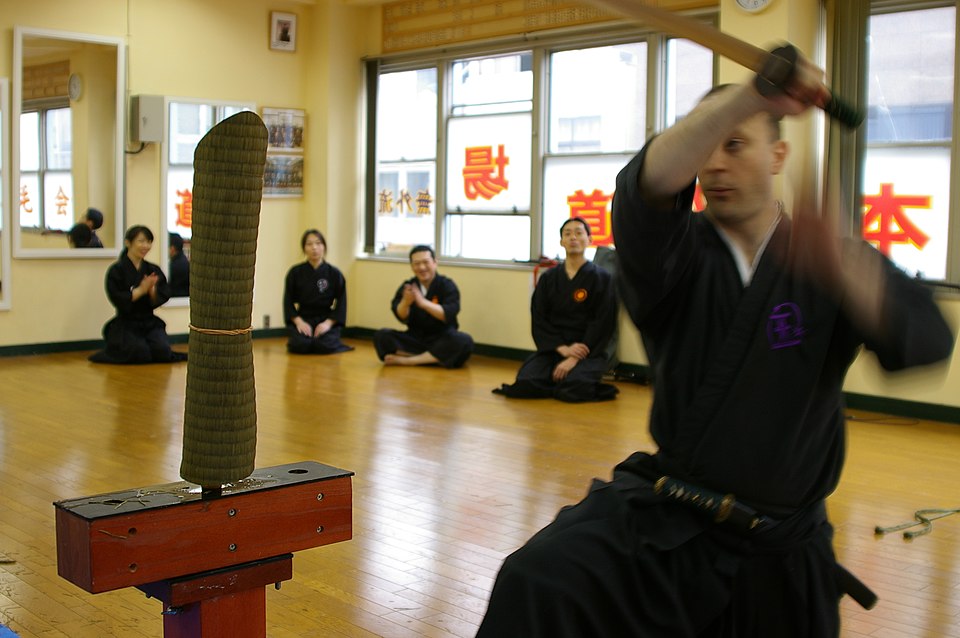
The right first cutting sword feels like permission. It tracks straight when your form is clean and forgives a little when it isn’t. Start with geometry, because geometry teaches you in every repetition. A profile with healthy niku—the “meat” behind the edge—adds insurance for imperfect alignment and sustains the edge through heavier targets. A leaner edge with less niku slices soft tatami with less resistance and feels electric in the hands, but asks more from your technique and restraint in target choice. Neither approach is universally better; they’re tuned for different days in your training.
Weight and balance finish the conversation. Absolute weight matters less than how that weight is distributed. A sword balanced a touch forward will sit in the cut and feel anchored; one balanced closer to the hands will start and stop with less effort, often preferred by smaller practitioners or those drilling speed. If your forearms burn and the tip wanders after a few cuts, the sword is telling you it’s either too heavy, poorly balanced, or both for your current strength. Fit is part of performance, too: handle diameter and ovality influence edge tracking more than most first‑time buyers expect. When the grip sits naturally, you can guide with the fingers instead of muscling with the shoulders.
Match the tool to the target. If your dojo sticks to soft tatami, a slightly finer edge and livelier balance can make practice joyful and clean. If demonstrations or tests occasionally include bamboo or denser synthetics, choose a sturdier cross‑section and a more conservative edge. Either way, insist on consistent heat treatment and straight assembly. A reliable blade lets you focus on your cut rather than compensating for a wandering edge or a loose wrap.
When in doubt, err on the side of stability and give yourself room to grow. The goal of a first cutting sword isn’t to impress your friends; it’s to help you build safe, repeatable power and honest feedback.

Toyotomi Hideyoshi's 1588 order to collect farmers' weapons: what the edict said, how it was carried out, and why historians see it as a change of status more than disarmament.

Where handle rattles come from, how to check safely, when a mekugi needs replacing, and when to stop using the sword.

Around 170 Viking-age blades bear the name Ulfberht. Microscope studies show some were made of crucible steel and many were copies. Here is what we know.


