
Your Cart is Empty


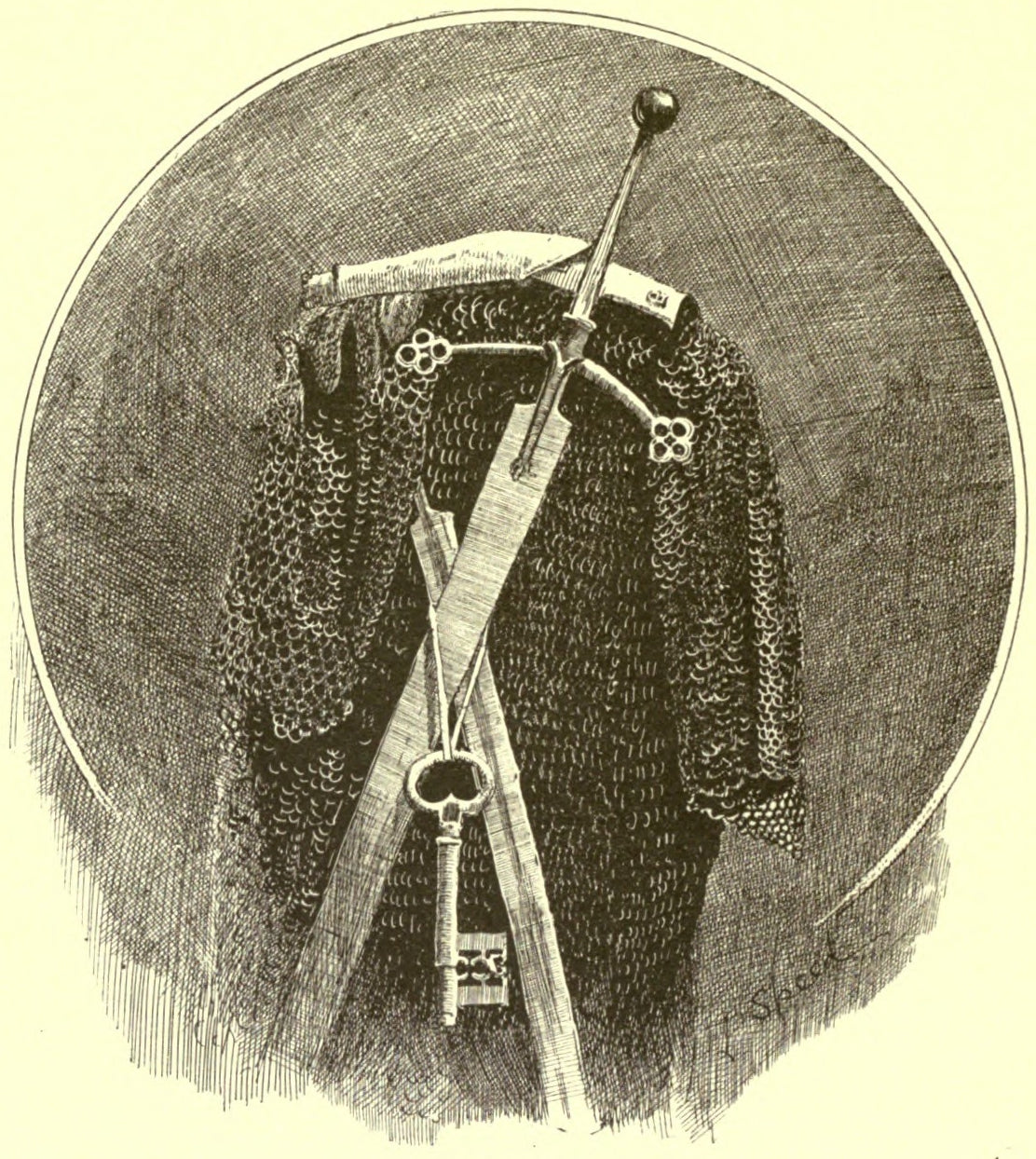

The claymore is an iconic sword that originated in Europe around the 15th century. As shown in the photo to the left, it's a large two-handed sword that typically featured a crossguard. In this post, we're going to take a closer look at the claymore, revealing its history, characteristics and other interesting facts.
About the Claymore
The term claymore means "greatsword," which is an accurate description. While different swordsmiths created differently sized claymores, the average blade length was around 39 to 47 inches (100 to 120 cm). To put that number into perspective, the traditional Japanese katana has an average blade length of 23 5⁄8 to 28 3⁄4 inches (60 to 73 cm). Therefore, the claymore was significantly longer.
Most claymores also featured a T-shaped crossguard on the hilt. Like other handguards, the primary purpose of the crossguard was to protect the user against self-injury. The "wings" to the left and right of the blade prevented the user from accidentally cutting their hand while holding or swinging the claymore.
History of the Claymore
It's unknown when or where exactly the claymore originated, though historians believe it first appeared around the 15th century. At this time, it was used among clan warriors during border fights and skirmishes. The claymore was also used during the Wars of Scottish Independence. These claymores, however, differed in design by featuring a smaller size than standard claymores.
How the Claymore Was Used
The claymore was undoubtedly a powerful weapon given its massive blade. With one of the longest blades of all swords of its time, it tipped the scales with an average weight of nearly 7 pounds. This made carrying and swinging the claymore more difficult than other, lighter swords. Nonetheless, the claymore was a formidable weapon that proved highly useful on the battlefield. The long, heavy blade could penetrate through armour while allowing the wielder to keep his foes at a safe distance.
The downside to the claymore, however, is that offered limited mobility. Drawing the claymore was more time consuming and laborious than drawing a smaller sword. This gave the warrior's opponents a window of opportunity to strike. And because the claymore was a two-handed sword, it couldn't be used in conjunction with a shield.
One of the largest claymores known is the uilteach-mhuirt. Now on display at the National War Museum in Scotland, it measured over 7 feet long and weighed more than 22 pounds.

Toyotomi Hideyoshi's 1588 order to collect farmers' weapons: what the edict said, how it was carried out, and why historians see it as a change of status more than disarmament.

Where handle rattles come from, how to check safely, when a mekugi needs replacing, and when to stop using the sword.

Around 170 Viking-age blades bear the name Ulfberht. Microscope studies show some were made of crucible steel and many were copies. Here is what we know.


