
Your Cart is Empty


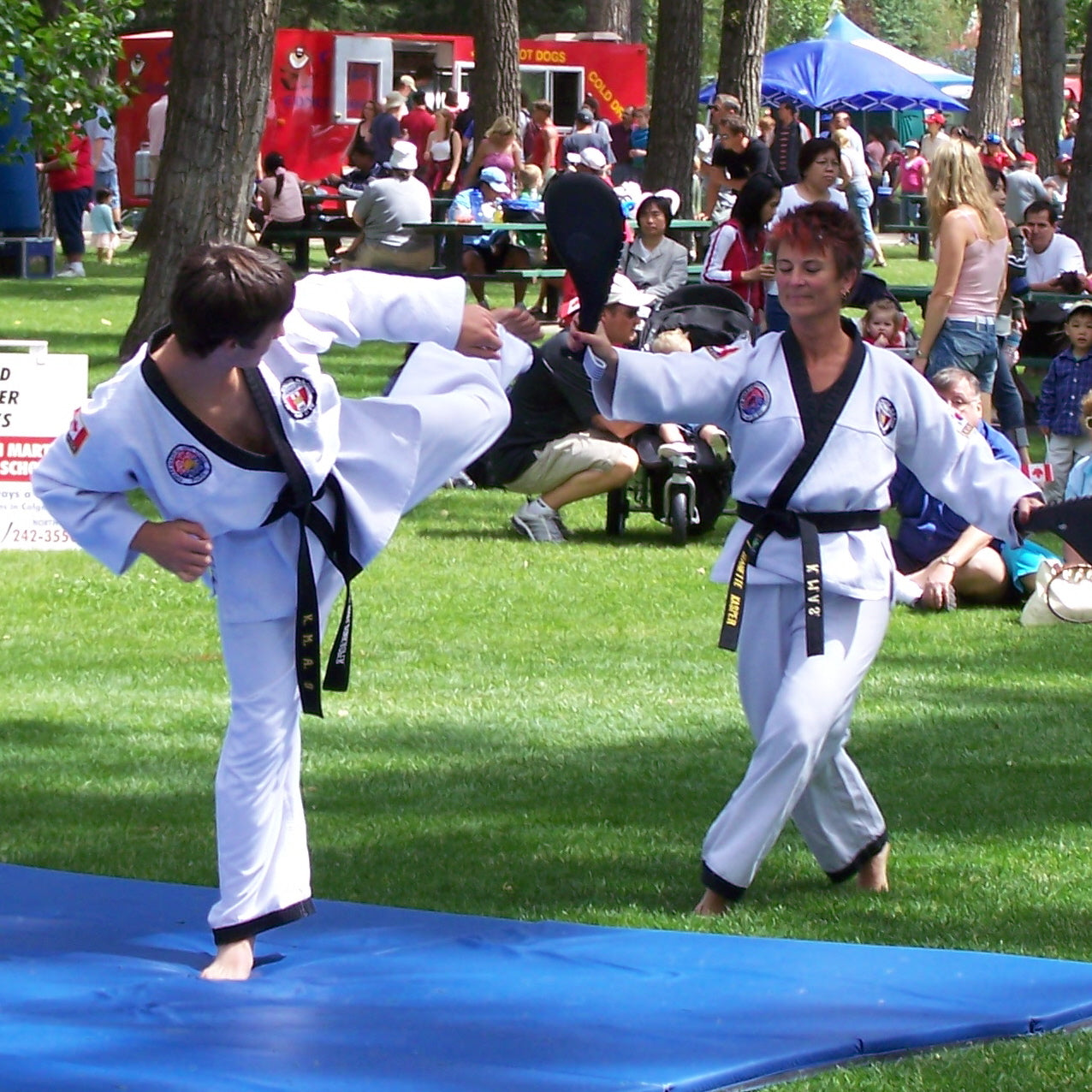
 Korea, along with Japan, has played a key role in developing new styles of martial arts. Over the course of several hundred years, the Korean Peninsula has invented more than a dozen styles of martial arts, some of which involve hand-to-hand combat, while others involve swords or other weapons. For some interesting facts about Korean martial arts, keep reading.
#1) Korean Martial Arts Dates Back to Prehistoric Era
According to Wikipedia, martial arts on the Korean Peninsula dates back to the Prehistoric area millions of years ago. Of course, there wasn't any organized or formal style of martial arts at this time. Rather, it wasn't until the 28th century B.C. when martial arts was truly created here in response to invasions from foreign territories.
#2) There Are 3 Main Branches
Korean martial arts can be broken into three main branches: sado musul, bulgyo musul and gangjung musul. Sado musul refers specifically to tribal martial arts, whereas bulgyo musul refers to Buddhist martial arts, and gungjung musul refers to royal court martial arts. There are more than a dozen styles of Korean martial arts, but they can all be categorized into one of these three types.
#3) Ssireum Is the Oldest Style of Ground Fighting
The oldest style of ground fighting in Korea is ssireum. Developing during the Goguryeo dynasty (37 B.C. to 668 A.D.), it involves two or more practitioners as they attempt to subdue their opponent. Most ssireum is practiced using hand-to-hand techniques. In the past, however, some practitioners used swords and other weapons so that they could better prepare themselves for actual combat.
#4) Taekwondo Is the Most Popular Style
Practiced by more than 70 million people worldwide, Taekwondo is the most popular style of Korean martial arts. It emphasizes the importance of self-defense, encouraging practitioners to use a combination of kicks, throws, blocks and takedowns to defend themselves and overcome their opponent. To put the popularity of Taekwondo into perspective, the Korean martial art is now practiced in the Olympic Games as well as the Commonwealth Games.
#5) Practiced in a Dojang
Although there are exceptions, most Korean martial arts are practiced in a dogan. Also known as a cheyukkwan, this gym-like studio is a formal area in which an instructor teaches his or her students the respective martial art. Most dojangs have colorfully decorated walls and a soft flooring surface.

Who the Muramasa smiths really were, how their blades became linked to the Tokugawa family's misfortunes, and why historians treat the curse as legend.

What nagasa, sori, motohaba, kasane, tsuka length, weight and balance point mean, how each is measured, and how to compare two swords fairly.

What the habaki, tsuba, tsuka, menuki, fuchi, kashira and saya actually do, and how to choose each one when you design a custom katana. Illustrated with museum pieces from the Metropolitan Museum of Art.


