
Your Cart is Empty


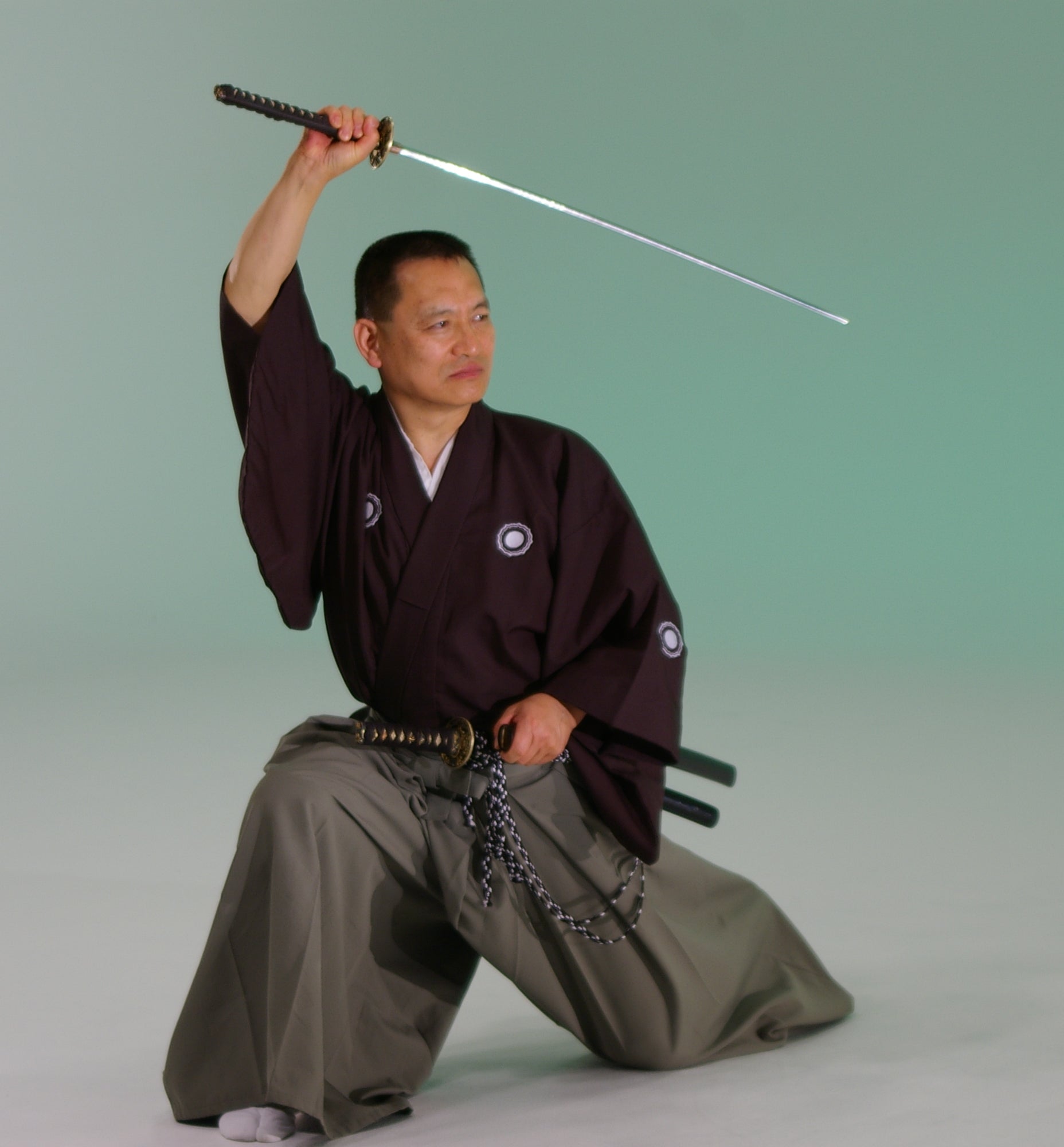

Iaijutsu is a traditional Japanese martial art that involves unsheathing and drawing a sword. Unlike most other Japanese martial arts, there's no direct engagement with an opponent. Rather, practitioners of iaijutsu unsheathe and draw their sword themselves as a solo practice. In this post, we're going to explore iaijutsu, revealing six surprising facts about this traditional martial art.
#1) It's Performed for Counterattacks
Although it doesn't involve directly striking or otherwise engaging with an opponent, iaijutsu is performed with the goal of counterattacking an opponent. In feudal Japan, samurai warriors would practice unsheathing and drawing their sword so that they could quickly counter an opponent's attack.
#2) It Was First Performed Using the Katana
Today, thousands of people practice iaijutsu using a variety of swords and bladed weapons. Historically, though, this martial art was first practiced using the katana. Samurai warriors would unsheathe their katana from their scabbard, attempting to draw it in a fast and efficient manner that allowed them to quickly respond to impending attacks.
#3) The Term 'Iaijutsu' Originated in 15th Century
It's believed that the term "iaijutsu" originated sometime during the 15th century. Back then, lizaasa Choisai lenao founded the school of Tenshin Shoden Katori Shinto-ryu, in which he discussed the art of unsheathing and drawing a sword -- a practice he called "iaijutsu."
#4) Two Positions
While different practitioners have their own beliefs regarding iaijutsu, most will agree that the martial art has two primary postures. The first posture involving crouching low to the ground (see image above). Known iai-goshi, it's designed to protect the practitioner from impending attacks. The second posture, known as tachi-ai, involving standing. It's designed to maximize the power and leverage of the practitioner.
#5) More Than a Dozen Schools
When you think of popular styles of Japanese martial arts, iaijutsu probably doesn't come to mind. Nonetheless, it's practiced by countless men and women throughout the world. In fact, more than a dozen iaijutsu have been founded, some of which include Musō Jikiden Eishin-ryū, Suiō-ryū Iai Kenpō, Shin Shin Sekiguchi-ryū, Mugai-ryū, Jigen-ryū, Tenshin Shōden Katori Shintō-ryū, Tamiya Shinken-ryu, Yagyū Seigo-ryu, Yagyū Shinkage-ryū and more.
#6) Sitting Is Prohibited
In iaijutsu, practitioners are prohibited from sitting because it's considered a dead posture. When a practitioner sits, he or she is unable to quickly respond to an impending attack, thereby leaving the practitioner susceptible to an attack.

The kris is a weapon, an heirloom and a sacred object. How to read its blade, how pamor patterns are made, who the empu are, and why UNESCO recognized it.

How to choose a sword for someone else: matching it to their art, sizing it without spoiling the surprise, useful extras, and lead times for custom work.

How to size an iaito for your height, weigh alloy against steel, judge the handle and fittings, and what to ask your sensei and the seller first.


