
Your Cart is Empty


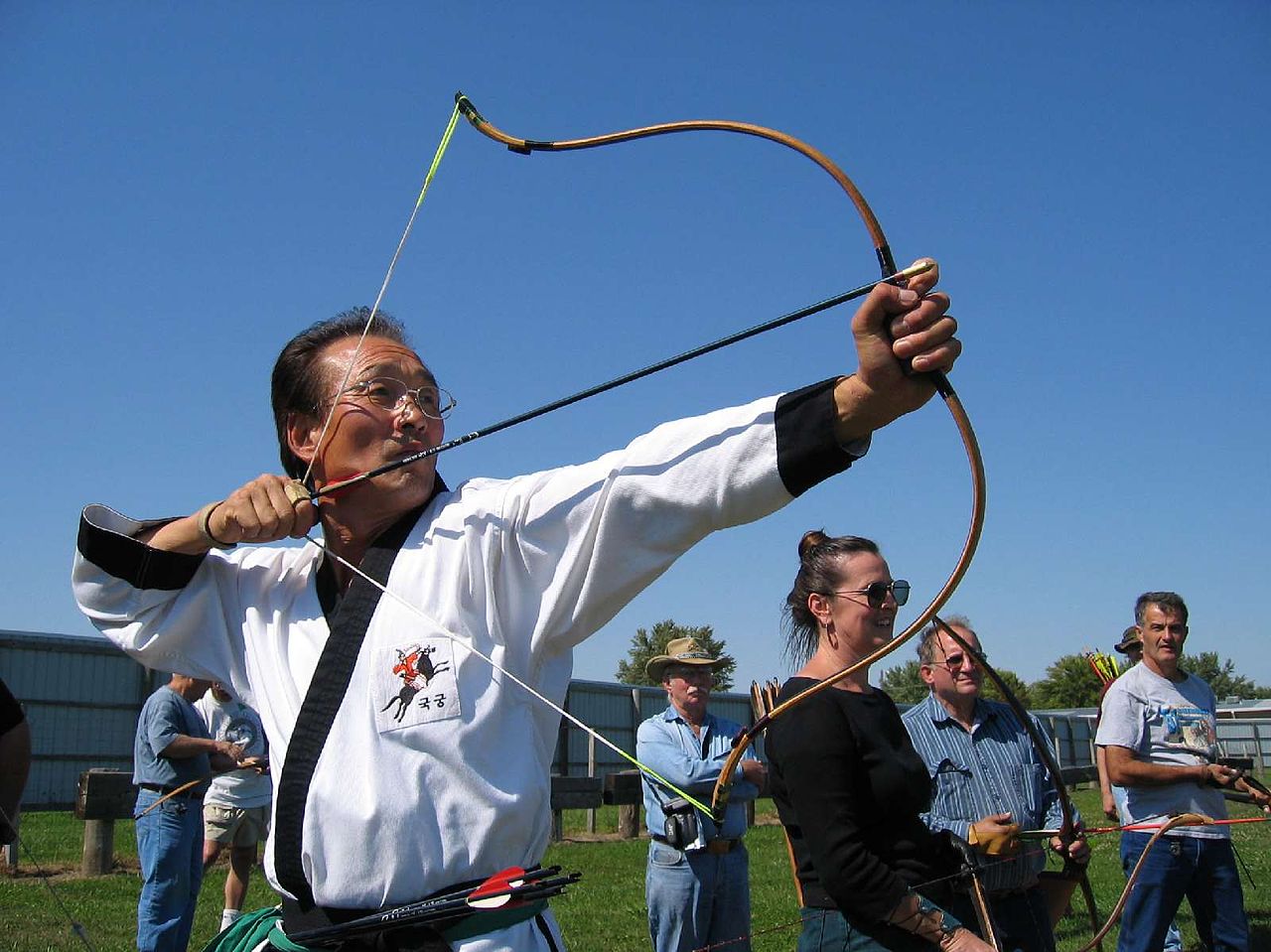

The Korean Peninsula has played an important role in the development of modern-day martial arts. Some of the world's most popular styles of martial arts originated from this region. In this post, we're going to take a closer look at traditional Korean martial arts, revealing several facts that may surprise you.
#1) Wrestling Is the Oldest Style of Korean Fighting
Wrestling, also known as ssireum, is the oldest style of ground fighting in the Korean Peninsula. Although its exact origins remain unknown, historians believe that wrestling as a form of martial arts began during Korea's Goguryeo dynasty (37 BC to AD 668), during which Korean warriors would spar with one another to prepare and train for battle.
#2) Taekwondo Originated in Korea
Perhaps the most popular and well known form of traditional Korean martial arts is Taekwondo. Statistics show that more than 70 million people throughout the world practice this traditional martial art. Taekwondo involves a variety of maneuvers, some of which include grappling, throwing, blocking, takedowns and kicks.
#3) Korean Martial Arts Is Taught Individually
While some martial arts teaches students as a group, all Korean martial arts teach students individually. The methodology is that each student is unique, so proper training should involve a customized, personalized approach towards each student.
#4) Taekkyon is a Kicking-Based Korean Martial Art
A unique form of martial arts originated in the Korean Peninsula many years ago. Known as Taekkyon, it focuses specifically on kicking and balance. Practitioners of Taekkyon can still use their hands, but the primary focus is to strike one's opponent using their feet. In 1983, the South Korean government classified it as Important Intangible Cultural Properties of Korea, making it the martial art to receive this accolade.
#5) Some Korean Martial Arts Originated in China
It's believed that some styles of traditional Korean martial arts originated in China. Considering the close, adjacent proximity of these two regions, this shouldn't come as a surprise. The martial art Sunbak, for example, is said to have come from China, where it has been practiced for centuries.
#6) Modern Korean Martial Arts
While most Korean martial arts date back many centuries, some are relatively new. Hapkido is one such example, as it originated in South Korea during the 20th century. Hapkido is based on a form of Japanese grappling but includes striking techniques as well.

Who the Muramasa smiths really were, how their blades became linked to the Tokugawa family's misfortunes, and why historians treat the curse as legend.

What nagasa, sori, motohaba, kasane, tsuka length, weight and balance point mean, how each is measured, and how to compare two swords fairly.

What the habaki, tsuba, tsuka, menuki, fuchi, kashira and saya actually do, and how to choose each one when you design a custom katana. Illustrated with museum pieces from the Metropolitan Museum of Art.


