
Your Cart is Empty


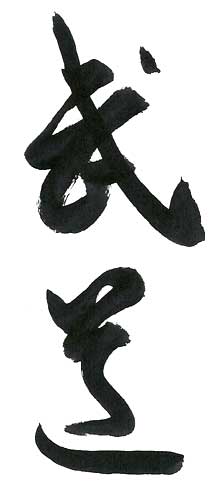

Budō is a relatively new Japanese martial art that can be traced back to the 17th century, during which samurai warriors embraced the style to become stronger and more proficient fighters.
The Basics of Budō
The term "budō" literally means "martial way." "bu" translates to "military," whereas "do" translates to "movement" or "way." This doesn't necessarily mean that budō revolves strictly around physical training and swordsmanship, however. While a key element in this martial art, it also encompasses mental strength and philosophical views, which is a distinguishing characteristic of budō.
Budō isn't a sport, however. On the contrary, it's more of a belief system that emphasizes physical and mental strength and combat readiness. Sakon Matsumura, founder of the Shorin martial arts schools, explained the concept of budō by revealing its seven fundamental virtues:
Budō Styles
Of course, there are several different styles of budō, some of which you've probably heard of. Karate is perhaps the most popular and widely recognized style of budō. Developed in the Ryukyu Kingdom, it's a form of unarmed combat that involves striking one's opponent using hands and feet.
Another popular style of budō is judo. Creating in 1882 by Jigoro Kano, this modern style has even evolved into an official Olympic sport. Judo is performed competitively, during which two practitioners attempt to throw or take down each other using techniques such as joint locks, hand strikes, feet strikes and immobilization. A judo practitioner is known as a judoka, whereas a judo teacher is known as a sensei.
There's also kendo, which is a budō style that descended from traditional Japanese swordsmanship. Kendo combines elements of martial arts with strenuous sport activity. In modern kendo, practitioners attempt to strike each other with bamboo practice swords while wearing armor. Successful strikes earn practitioners points, and the practitioner with the most points at the end wins the match.
A lesser-known style of budō is iaido, which specifically refers to the ability to draw one's sword in response to an impending attack. Successful iaido requires controlled movements of the sword from the scabbard. Like other styles of budō swordsmanship, iaido is typically performed using a bamboo or wooden practice sword to reduce the risk of bodily injury.

Who the Muramasa smiths really were, how their blades became linked to the Tokugawa family's misfortunes, and why historians treat the curse as legend.

What nagasa, sori, motohaba, kasane, tsuka length, weight and balance point mean, how each is measured, and how to compare two swords fairly.

What the habaki, tsuba, tsuka, menuki, fuchi, kashira and saya actually do, and how to choose each one when you design a custom katana. Illustrated with museum pieces from the Metropolitan Museum of Art.


