
Your Cart is Empty


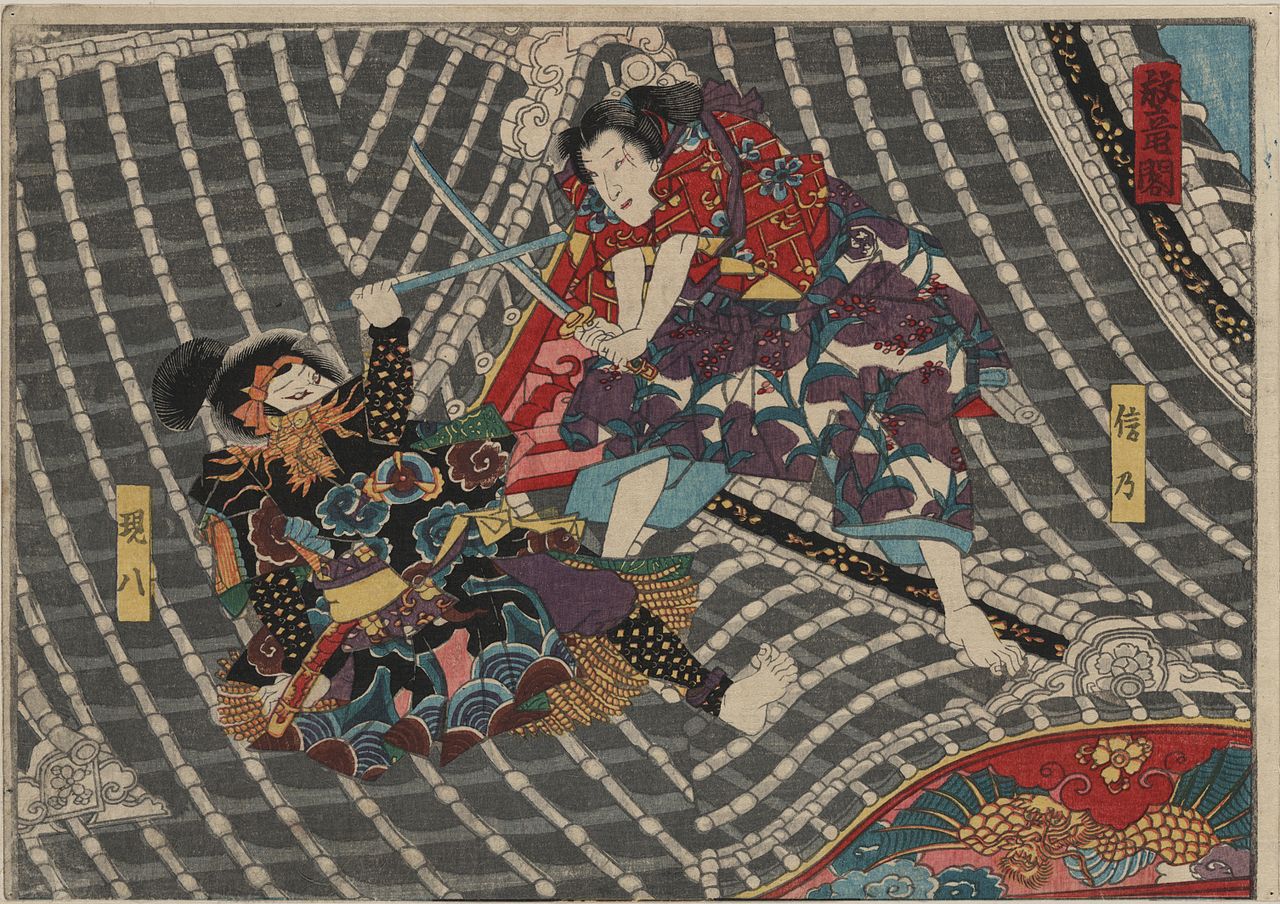

Meaning "technique of the sword," kenjutsu is a catch-all term used to describe all forms of Japanese swordsmanship. Today, there are hundreds of martial arts schools throughout the world that teach the principles of kenjutsu. So, how exactly did Japanese swordsmanship begin?
Origins of Japanese Kenjutsu
Japanese kenjutsu first appeared during the country's Muromachi period (1336 to 1573). Historians believe that early Japanese swords were designed after Chinese swords. Chinese swords made their way to Japan by crossing over the Korean Peninsula, at which point Japanese swordsmiths attempted to recreate them (or create new swords with similar characteristics).
The Muromachi period was defined by inter-state warfare. This led to the formation of three primary schools that focused on teaching swordsmanship:
While other kenjutsu schools emerged during this time, the aforementioned three were instrumental in shaping traditional Japanese swordsmanship. In their wake, they paved the way for the creation of many other martial arts schools, such as Ono-ha Ittō ryū and Mizoguchi-ha Ittō-ryū, for example. If it weren't for these three schools, perhaps many modern schools of Japanese martial arts wouldn't have been created.
Edo Period
Fast forward to Japan's Edo period (1603 to 1867), and the number of swordsmanship-based martial arts schools in the country snowballed to a whopping 500. Because of its popularity, this is considered the golden age of traditional Japanese kenjutsu. When compared to previous years, the techniques of kenjutsu were more advanced during the Edo person, and so was the equipment.
Around the turn of the 19th century, Japanese kenjutsu schools began using practice swords made of bamboo. This minimized the risk of injury to practitioners, creating an all-around safer sport. Even today, bamboo swords are still used by many kenjutsu schools, both in Japan and abroad.
Modern Kenjutsu
Following Japan's edo period, popularity surrounding kenjutsu began to decline. The Meiji Restoration in 1868 resulted in the breakup of Japan's military ruling class; thus, dissolving the country's centuries-old tradition of the samurai class and ultimately causing kenjutsu to fade from popularity.
This wasn't necessarily the end of kenjutsu, however. While its popularity declined, the core elements continued to be taught at various schools throughout Japan. In the 20th century, things actually turned back around, as there was a newfound interest in Japanese martial arts. This led to a kenjutsu revival of sorts.
Hopefully, this gives you a better understanding of the history surrounding Japanese kenjutsu.

Who the Muramasa smiths really were, how their blades became linked to the Tokugawa family's misfortunes, and why historians treat the curse as legend.

What nagasa, sori, motohaba, kasane, tsuka length, weight and balance point mean, how each is measured, and how to compare two swords fairly.

What the habaki, tsuba, tsuka, menuki, fuchi, kashira and saya actually do, and how to choose each one when you design a custom katana. Illustrated with museum pieces from the Metropolitan Museum of Art.


