
Your Cart is Empty


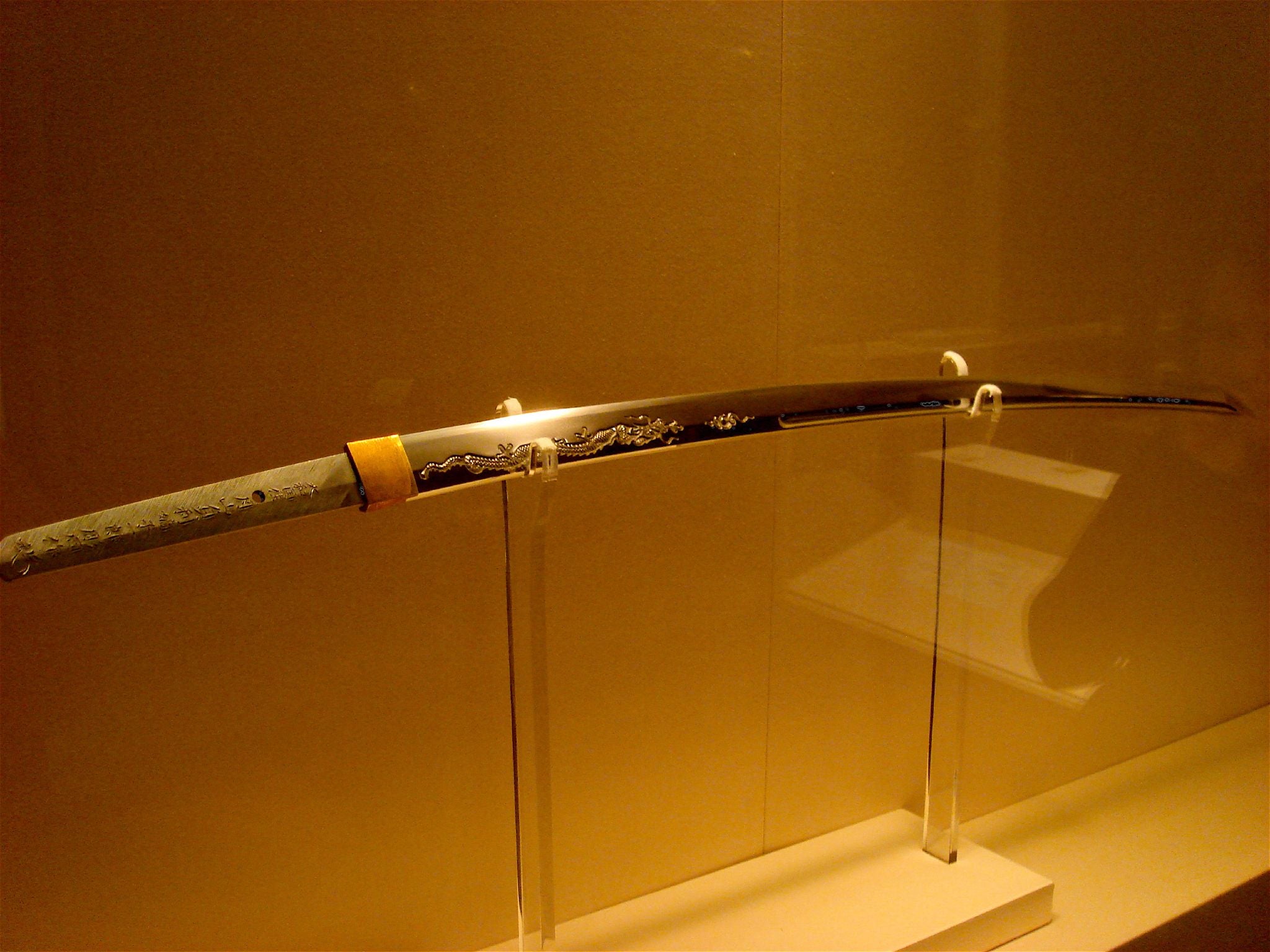

Around 1274, Mongolian armies under the command of Kublai Khan embarked on a quest to conquer Japan. This led to a multi-year battle between the two regions, with Japan ultimately coming out victorious. However, the Mongol Invasions of Japan had a lasting effect on Japanese swordmaking, essentially changing the way in which the country produced swords.
Early Japanese Swords
Prior to the Mongol Invasions of Japan, traditional Japanese swords were designed with tachi- and chokuto-style blades. Characterized by a long, curved blade with a single edge, the tachi was a popular weapon wielded by samurai warriors. The chokotu, while featuring a similar length, differed in the sense that it featured a straight blade rather than a curved blade. According to "The Craft of the Japanese Sword" by Leon Kapp, the chokuto is one of the earliest Japanese swords, sharing characteristics similar to swords produced in China.
These designs became the preferred choice among samurai warriors during the country's feudal period, but that changed when the Mongols began invading.
The Need for Stronger Swords
Following the Mongol Invasions of Japan, samurai warriors found themselves at a disadvantage to their Mongolian invaders. Equipped with swords like the tachi and chokuto, samurai warriors were initially unable to fend off the attacking Mongolian armies. When attacking, Japanese samurai warriors discovered their blades breaking or chipping, prompting the need for a new design.
Japanese samurai warriors had encountered combat in the past. This time, however, they were facing opponents equipped with hard-boiled leather armor. Existing tachi and chokuto swords at the time were ineffective at cutting through the Mongols' armor, resulting in damage to the blade.
The Rise of the Katana
Japanese swordsmith began experimenting with other sword designs, leading to the advent of the modern-day katana. Using high-carbon steel and differential heat treatment, swordsmiths were able to create katanas with a superior level of strength compared to the tachi and chokuto. Upon testing the new design on the battlefield, Japanese samurai warriors found the katana to be highly effective at cutting through armor.
The katana also shifted the tides of war in favor of Japan because of its emphasis on quick drawing. Until then, all Japanese swords were worn with the cutting edge facing down. The katana, however, was worn with the cutting edge facing up. This allowed samurai warriors to draw it more quickly, making the katana an excellent weapon for use in close-quarter combat.

The kris is a weapon, an heirloom and a sacred object. How to read its blade, how pamor patterns are made, who the empu are, and why UNESCO recognized it.

How to choose a sword for someone else: matching it to their art, sizing it without spoiling the surprise, useful extras, and lead times for custom work.

How to size an iaito for your height, weigh alloy against steel, judge the handle and fittings, and what to ask your sensei and the seller first.


