
Your Cart is Empty


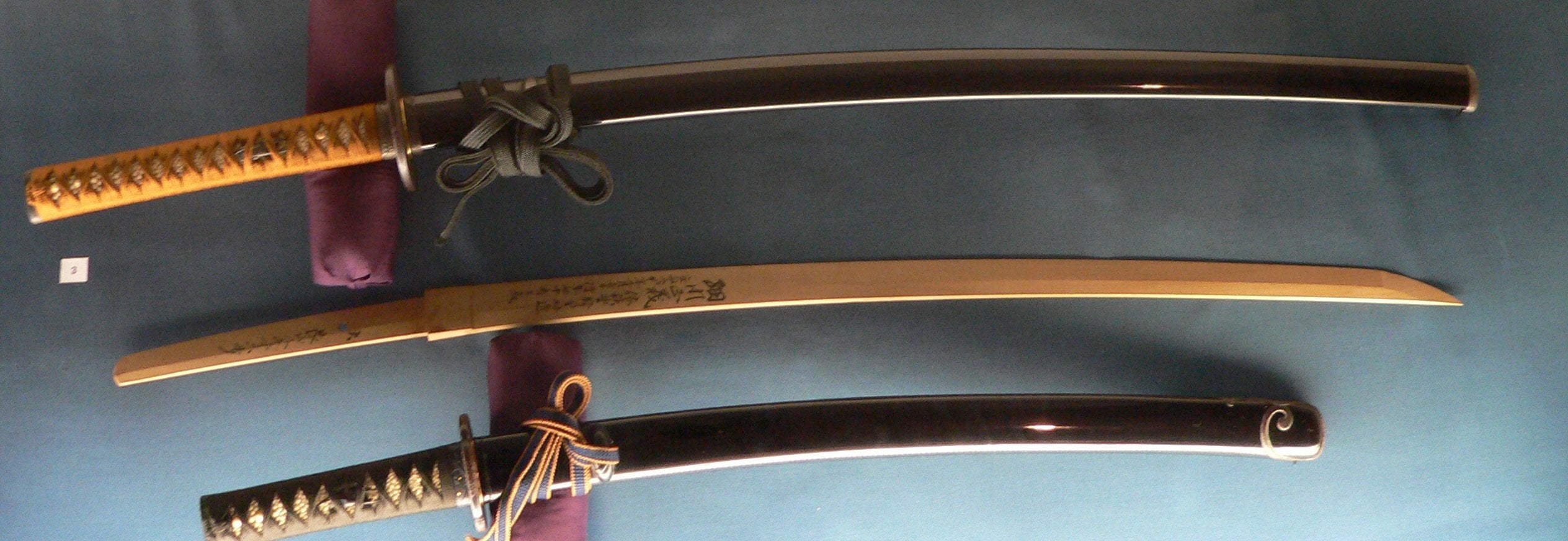

The katana and uchigatana are two of the most popular and widely recognized traditional Japanese swords. Originating during the region's feudal period, they were carried and used by samurai warriors. Both the katana and uchigatana feature a similar design, including a curved blade, but there are some stark differences between the two swords that shouldn't go unnoticed. So, what's the difference between the katana and uchigatana exactly, and which of these traditional Japanese swords comes out on top?
Overview of the Katana
The katana first appeared in Japan during the Kamakura Period (1185 to 1333). Back then, the term "katana" was used to describe a single-edged, curved sword that was longer than the tachi. It was produced out of need for better weapons. During the Kamakura period, Japanese armies had trouble defending their land against the Mongolians due to their enemies' thick, hard-boiled leather armor. Samurai warriors discovered that their swords were unable to penetrate the Mongolians' armor, so bladesmiths began working on new swords, resulting in the invention of the katana.
As you may know, the katana features a curved, single-edged blade -- something for which it's well known throughout the world. By designing the katana this way, bladesmiths in feudal Japan were able to create a better weapon that could easily cut through hard-boiled leather armor. The katana's curved blade, along with its use of high-carbon steel, allows it to flex without breaking.
Overview of the Uchigatana
Also a descendant of the tachi, the uchigatana is a traditional Japanese sword that, like the katana, dates back to the country's Kamakura period. And if you compare a picture of the katana next to that of the uchigatana, you probably won't be able to tell the difference. This is because both of these traditional Japanese swords feature a curved, single-edge blade, and they both measure about 23 to 38 inches long.
How the Katana Differs From the Uchigatana
The primary difference between the katana and uchigatana lies in their quality of construction. The katana is generally regarded as a higher quality sword made of premium materials and superior craftsmanship. It typically took months for a bladesmith to produce a katana, whereas an uchigatana could be constructed in just weeks.
According to Wikipedia, the uchigatana was a disposable weapon due to its low-quality construction. After a samurai warrior used this sword, he would dispose of it and replace it with a new one. Because of this, there are few to no examples of true traditional Japanese uchigatanas known to exist today.

The kris is a weapon, an heirloom and a sacred object. How to read its blade, how pamor patterns are made, who the empu are, and why UNESCO recognized it.

How to choose a sword for someone else: matching it to their art, sizing it without spoiling the surprise, useful extras, and lead times for custom work.

How to size an iaito for your height, weigh alloy against steel, judge the handle and fittings, and what to ask your sensei and the seller first.


