
Your Cart is Empty


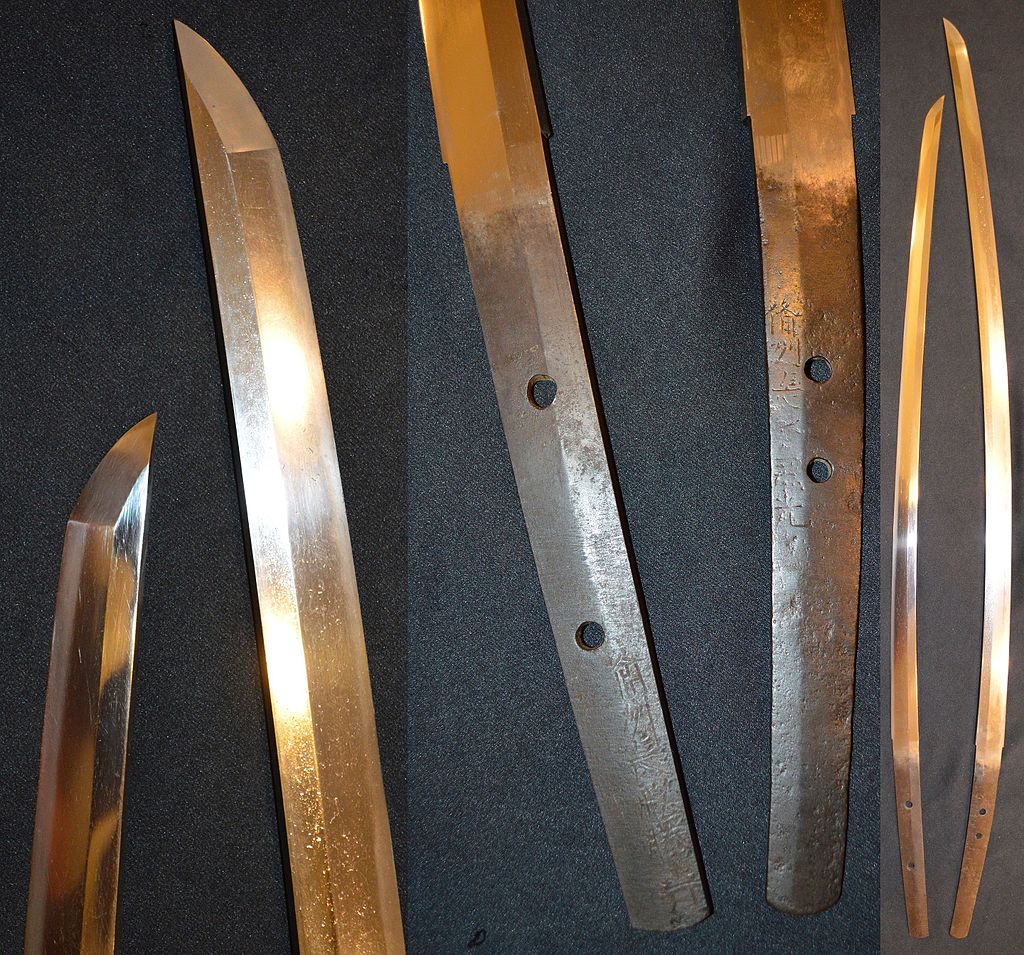

The kodachi and wakizashi are two traditional Japanese swords used by samurai warriors during the country's feudal period. While both swords were typically made of high-carbon steel known as tamahagane steel -- and they both featured a curved, single-edged blade -- they aren't necessarily the same. The kodachi and wakizashi are two different traditional Japanese swords with their own unique characteristics. So, what's the difference between the kodachi and wakizashi?
Length
The primary difference between the kodachi and wakizashi lies in their length. The kodachi typically measured 24 inches (60 cm) long, whereas the wakizashi measured 12 and 24 inches (30 to 60 cm). Therefore, it wasn't uncommon to find kodachi swords twice as long as wakizashi swords. Both swords were still shorter than other traditional Japanese swords, including the katana, but the kodachi was usually longer than its wakizashi counterpart.
Usage
The way in which these swords were used also varied. Neither the kodachi nor the wakizashi were considered primary swords. During feudal Japan, samurai warriors were required by law to carry two swords while on official duty: a long primary swords and a shorter secondary sword. Because of its short length, the wakizashi was worn and used as a secondary sword by samurai warriors. The kodachi, on the other hand, was used as a primary sword. The kodachi was usually shorter than other primary swords, though it was still too long to be classified as a secondary sword, thus allowing samurai warriors to use it as a primary sword.
Civilian vs Samurai
It's also worth noting that only the kodachi could be used by civilians during Japan's feudal period. Back then, the Japanese government restricted the ownership of long swords to samurai warriors and other officials. Unless a man or woman served as a samurai warrior or other official, he or she couldn't legally own a long sword like the wakizashi. The kodachi, however, was typically forged under the legal limit, meaning that civilians could own and use them. In comparison, the wakizashi as over the blade length limit for civilian ownership, restricting its usage to samurai warriors and other officials.
Mounting
The way in which these two swords were mounted varies as well. With its smaller size, the kodachi was generally mounted like the tachi. In comparison, the wakizashi was mounted like the katana. Aside from these subtle nuances explained here, however, the two swords were strikingly similar.

What nagasa, sori, motohaba, kasane, tsuka length, weight and balance point mean, how each is measured, and how to compare two swords fairly.

What the habaki, tsuba, tsuka, menuki, fuchi, kashira and saya actually do, and how to choose each one when you design a custom katana. Illustrated with museum pieces from the Metropolitan Museum of Art.


