
Your Cart is Empty


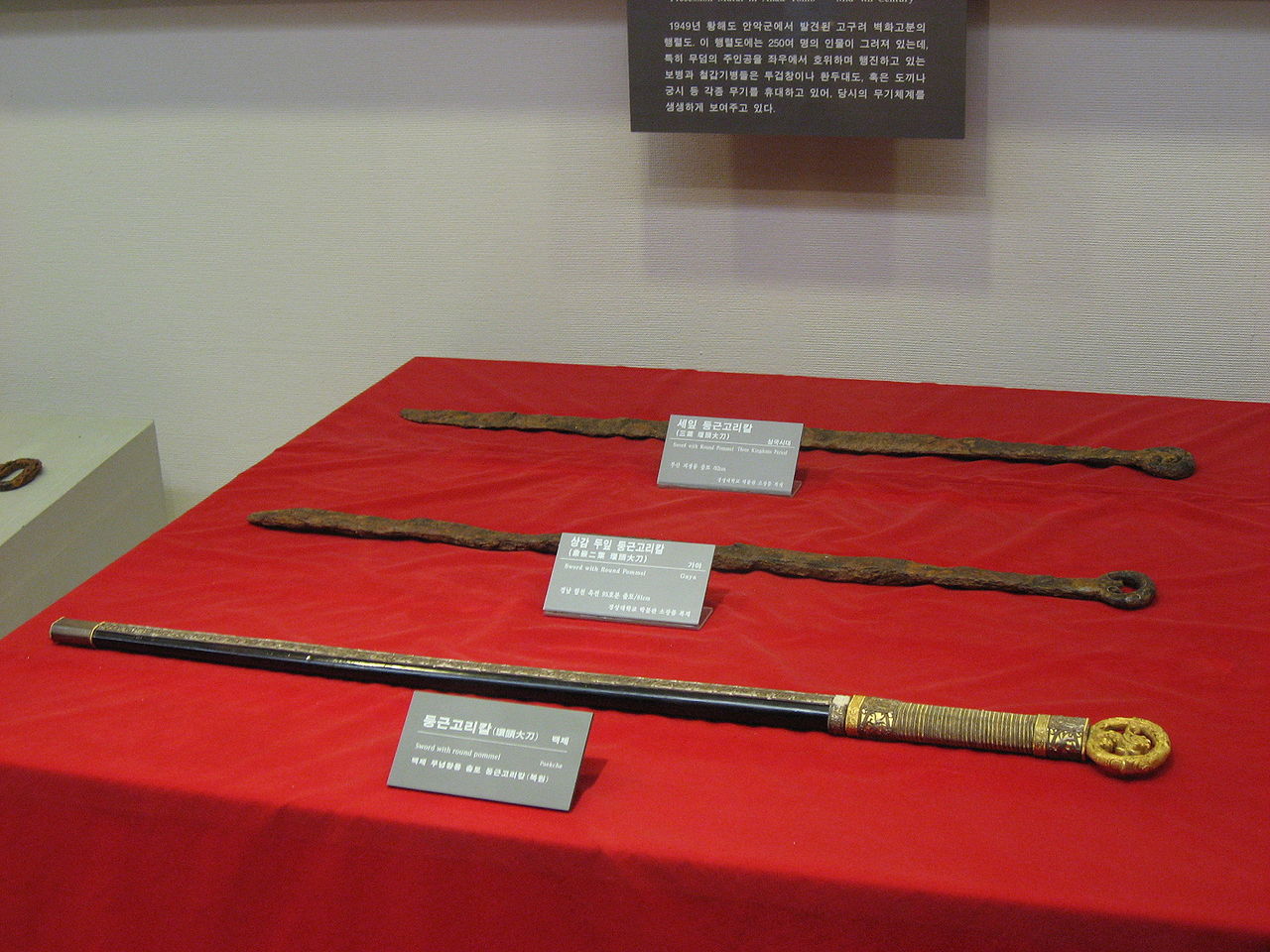

Swordmaking on the Korean Peninsula can be traced back to the region's Three Kingdoms period. Beginning in 57 BC and ending in 668 AD, this was a critical time for Korea, as the region was engulfed in warfare with neighboring territories. Nonetheless, the swords produced during the Three Kingdoms period played a key role in the region's history, with some of its designs influencing swords produced in Japan, China and other regions.
The Hwandudaedo
It's believed that the first sword produced on the Korean Peninsula was the Hwandudaedo. Also known as the ring-pommel sword, it was a large, single-edged sword with a straight blade. The Hwandudaedo had a thick spine for increased support and stability, and it received its namesake from the round-shaped pommel found at the end of the hilt. Korean swordsmiths emphasized aesthetics when designing the Hwandudaedo, adding intricate designs and carvings.
Initially, the Hwandudaedo wasn't widely used in the Korean army, however. With limited resources on hand, swordsmiths created these swords for members of the royal family. It wasn't until the 4th and 5th century when the Hwandudaedo became more available.
Longswords
In the latter half of Korea's Three Kingdoms period, swordsmith began making other swords, including longswords. Most of these longswords were used by Korean cavalry and high-ranking commanders, many of whom were also on horseback. This is because land warfare on the Korean Peninsula, at the time, was done primarily with ranged attacks from spearmen and bowmen. In the event of a close combat, the Korean army would send in cavalry equipped with longswords.
Construction of Korean Swords During the Three Kingdoms Period
So, how were Korean swords made during the Three Kingdoms period? While different swordsmiths used different materials and techniques to make their swords, most swords of this era were initially made of bronze. These bronze weren't forged but, rather, cast. After smelting the bronze, the swordsmith would pour it into a cast, after which he would allow it to cool. Once cool, the sword was removed from the cast and ready for battle.
Later, however, Korean swordsmiths began to forge their swords using iron. This was a huge improvement over the region's earlier bronze swords. Iron was not only easier to acquire than bronze, but it also offered a higher level of strength and durability. Korean swordsmiths continued to use iron for sword production thereafter, eventually discovering steel. Today, you'll still find iron and steel swords produced on the Korean Peninsula.

The kris is a weapon, an heirloom and a sacred object. How to read its blade, how pamor patterns are made, who the empu are, and why UNESCO recognized it.

How to choose a sword for someone else: matching it to their art, sizing it without spoiling the surprise, useful extras, and lead times for custom work.

How to size an iaito for your height, weigh alloy against steel, judge the handle and fittings, and what to ask your sensei and the seller first.


