
Your Cart is Empty


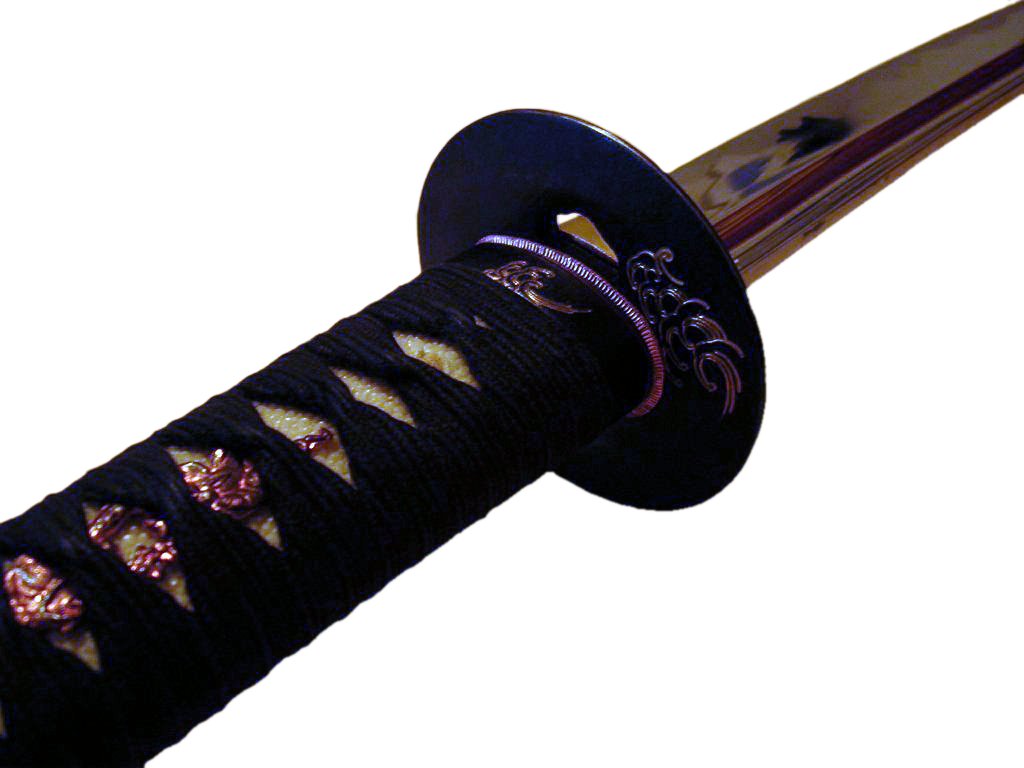

Traditional Japanese swordsmanship has origins dating back to the country's feudal period. When bladesmiths first started creating swords, samurai warriors would engage in training skirmishes to improve their proficiency. This ultimately led to the formation of swordsmanship schools, where samurai warriors could train in a safe environment. In this blog post, we're going to reveal the differences between old and new schools of battōjutsu.
Battōjutsu Explained
First, it's important to note that battōjutsu isn't just any other style of traditional Japanese swordsmanship. Although it falls under the category of kenjutsu, it's a unique form of swordsmanship that specifically focuses on drawing a sword. According to Wikipedia, it's practiced during ryu, though it also contains elements of kenjutsu.
The primary goal of battōjutsu is to draw a sword as quickly and fluidly as possible, followed by performing a downward slashing attack, and then returning the sword back to its scabbard (saya). Battōjutsu is a highly technical style of swordsmanship that requires lots of practice and dedication. And while it's been around for centuries, thousands of people continue to practice it.
Old Battōjutsu Schools
Any institution that's designed to teach battōjutsu is considered a school. Old battōjutsu schools are those which occurred before Japan's Meiji Period. Some common examples of old battōjutsu schools include the Shinmei Muso Ryo Battōjutsu school and the Sekiguchi Ryu Battōjutsu school. The former was founded by Hayashizaki Jinsuke (Minamoto no) Shigenobu in the 16th century, whereas the later was founded by Sekiguchi Ujinari in the 17th century.
New Battōjutsu Schools
New battōjutsu schools, on the other hand, are those that occurred after Japan's Meiji Period. Of course, the Meiji Period was significant for the region because it marked the end of Japan's feudal system and the beginning of a new, more Westernized form of government.
In 1925, the Toyama-ryu battōjutsu school was founded to train soldiers in the Japanese Army the art of drawing and using a sword. A few decades later, an esteemed Japanese swordsman named Nakamura Taizaburo founded the battōjutsu school Nakamura-ryu. And more recently, in 1977, Taizaburo founded the battōjutsu school Zen Nihon Do Renmei.
In Conclusion
All institutions that teach the Japanese art of battōjutsu are considered a battōjutsu school. Old battōjutsu schools, however, were founded before the region's Meiji Period, whereas new battōjutsu schools were founded after the Meiji Period. Other this subtle nuance, however, there's really no difference between old and new schools.

Who the Muramasa smiths really were, how their blades became linked to the Tokugawa family's misfortunes, and why historians treat the curse as legend.

What nagasa, sori, motohaba, kasane, tsuka length, weight and balance point mean, how each is measured, and how to compare two swords fairly.

What the habaki, tsuba, tsuka, menuki, fuchi, kashira and saya actually do, and how to choose each one when you design a custom katana. Illustrated with museum pieces from the Metropolitan Museum of Art.


