
Your Cart is Empty


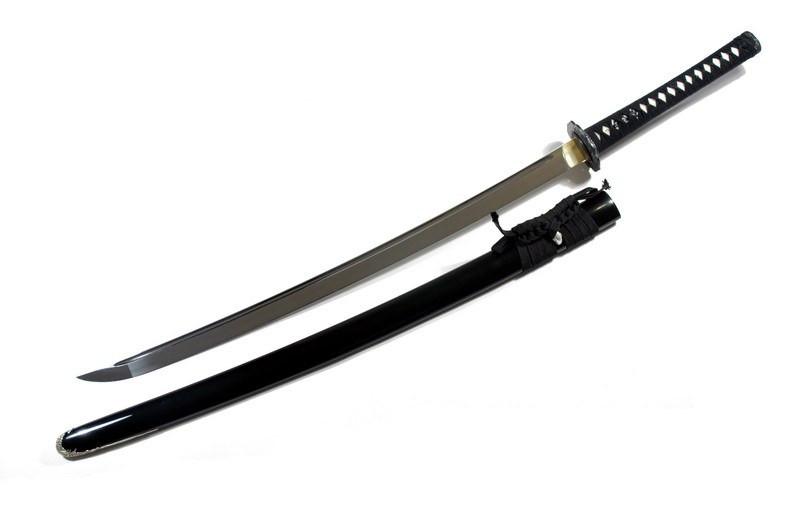
The shinken is a modern Japanese sword that's used primarily in martial arts. Mirroring the characteristics of a traditional katana, it's considered to be one of the world's finest swords. The shinken boasts a superior level of quality and craftsmanship, making it revered among martial arts practitioners and collectors alike.
About the Shinken
The term "shinken" literally means "real sword." This namesake is a direct reference to its sharp edge and metal construction in relation to martial arts. As you may already know, most forms of martial arts revolve around the use of practice swords, such as the bokken and shinai. Made of materials like bamboo and wood, practice swords such as these reduce the risk of bodily injury. The shinken, however, is a real sword with a live blade.
There are other practice swords made of metal, though most lack a sharp edge. The iaito, for instance, is a manufactured sword with an unsharpened edge that's used in iaido practice.
Shinken Purpose
Because it featured a sharp edge, the shinken is typically used only in solo forms of martial arts. This includes the quick-drawing practice of iaijutsu as well as the sword cutting practice of tameshigiri. It is not used in combat martial arts where two or more practitioners battle each other.
Of course, different people buy and use the shinken for different purposes. In addition to being a popular sword for tameshigiri and iaijutsu, it's also a widely sought-after collectable. This is due largely in part to the shinken's rarity, which we discuss later.
Shinken Construction
The shinken shares many of the katana's characteristics. It features a moderate-length, curved blade, usually between 23 and 28 inches, as well as a wrapped handle. In fact, the shinken is technically classified as a katana, with the only distinguishable difference being that it's exceptionally sharp, designed with the highest level of craftsmanship, and intended for use in martial arts.
Shinken Rarity
So, just how rare is the shinken? It's not uncommon for genuine shinken to sell for $6,000 or more. They can take up to eight months to forge, and often have a waiting list of five years to purchase.
A special type of shinken known as the gendaito is perhaps the rarest. Japanese law restricts the production of gendaito to just 250 swordsmiths, all of whom are members of the Japanese Swordsmith Association. Furthermore, each of these swordsmiths may only produce up to 24 swords per year.

Who the Muramasa smiths really were, how their blades became linked to the Tokugawa family's misfortunes, and why historians treat the curse as legend.

What nagasa, sori, motohaba, kasane, tsuka length, weight and balance point mean, how each is measured, and how to compare two swords fairly.

What the habaki, tsuba, tsuka, menuki, fuchi, kashira and saya actually do, and how to choose each one when you design a custom katana. Illustrated with museum pieces from the Metropolitan Museum of Art.


