
Your Cart is Empty


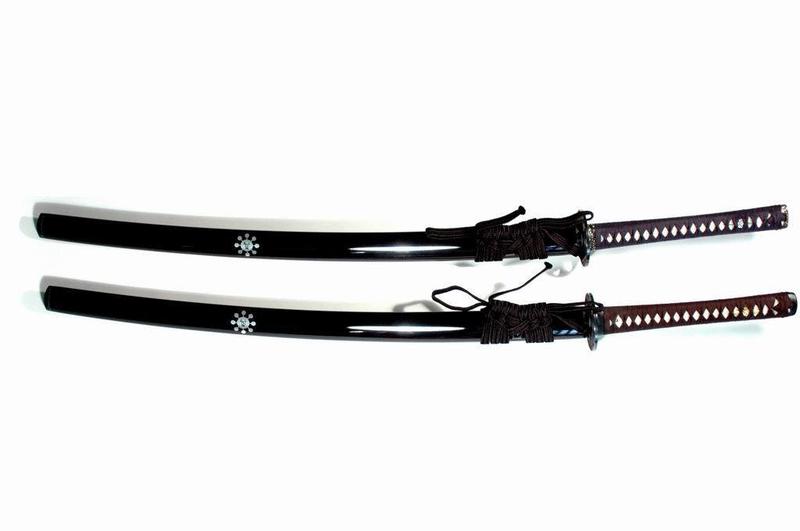

The traditional Japanese katana is one of the world's most popular swords. Owned by martial arts practitioners and collectors alike, it features a single-edged curved blade, typically made of high-carbon steel. Like other swords, however, owners should take certain precautions to preserve the strength and integrity of their katana.
Do Remove it From the Scabbard Regularly
Assuming you store your katana in a leather scabbard, be sure to remove it regularly. When swords are stored in a leather scabbard for a long period of time, it creates a moist environment while subsequently promoting rust and corrosion. This is because leather absorbs moisture from the air, which in turn reaches your katana's blade.
Don't Touch the Blade with Your Fingers
Try to avoid touching your katana's blade with your fingers. While this isn't going to cause any immediate damage, it promotes the formation of rust and corrosion later down the road. You see, the perspiration and natural oils on your fingers will transfer to the blade, and if not cleaned in a timely manner, can cause it to rust.
Do Coat with Oil
The single most important step to protecting and preserving a katana is oiling the blade. Just like wax protects a car's clear coat from moisture damage, so does oil on a katana.
Of course, there are dozens of different oils and oil products that you can use on a katana, though many experts recommend choji oil. Featuring a combination of mineral oil and clove oil, it's a safe and effective solution to protect your katana from moisture.
Don't Talk Over Your Katana
What's wrong with talking over your katana? This is an age-old etiquette that's done to protect the blade from incidental moisture. If you talk while holding your katana below your head, some of your saliva may get on the blade -- and it only takes a small amount to initiate the destructive chain cycle of corrosion.
Do Treat Wooden Hilts with Oil
In addition to oiling your katana's blade, you should also oil wooden handles. Wood is highly porous and will either absorb or release moisture, depending on the surrounding humidity. If your katana has a wooden hilt, and you store it in a place with low humidity, the wooden hilt may dry out and eventually crack. Thankfully, problems such as this are easily avoided by oiling the hilt.
Don't Forget to Inspect Your Katana
You should take your katana out of storage for a brief inspection at least once a week. During this inspection, check to see if rust is forming, the metal is oxidizing, or if it has physically chipped or sustained other damage.

The kris is a weapon, an heirloom and a sacred object. How to read its blade, how pamor patterns are made, who the empu are, and why UNESCO recognized it.

How to choose a sword for someone else: matching it to their art, sizing it without spoiling the surprise, useful extras, and lead times for custom work.

How to size an iaito for your height, weigh alloy against steel, judge the handle and fittings, and what to ask your sensei and the seller first.


