
Your Cart is Empty


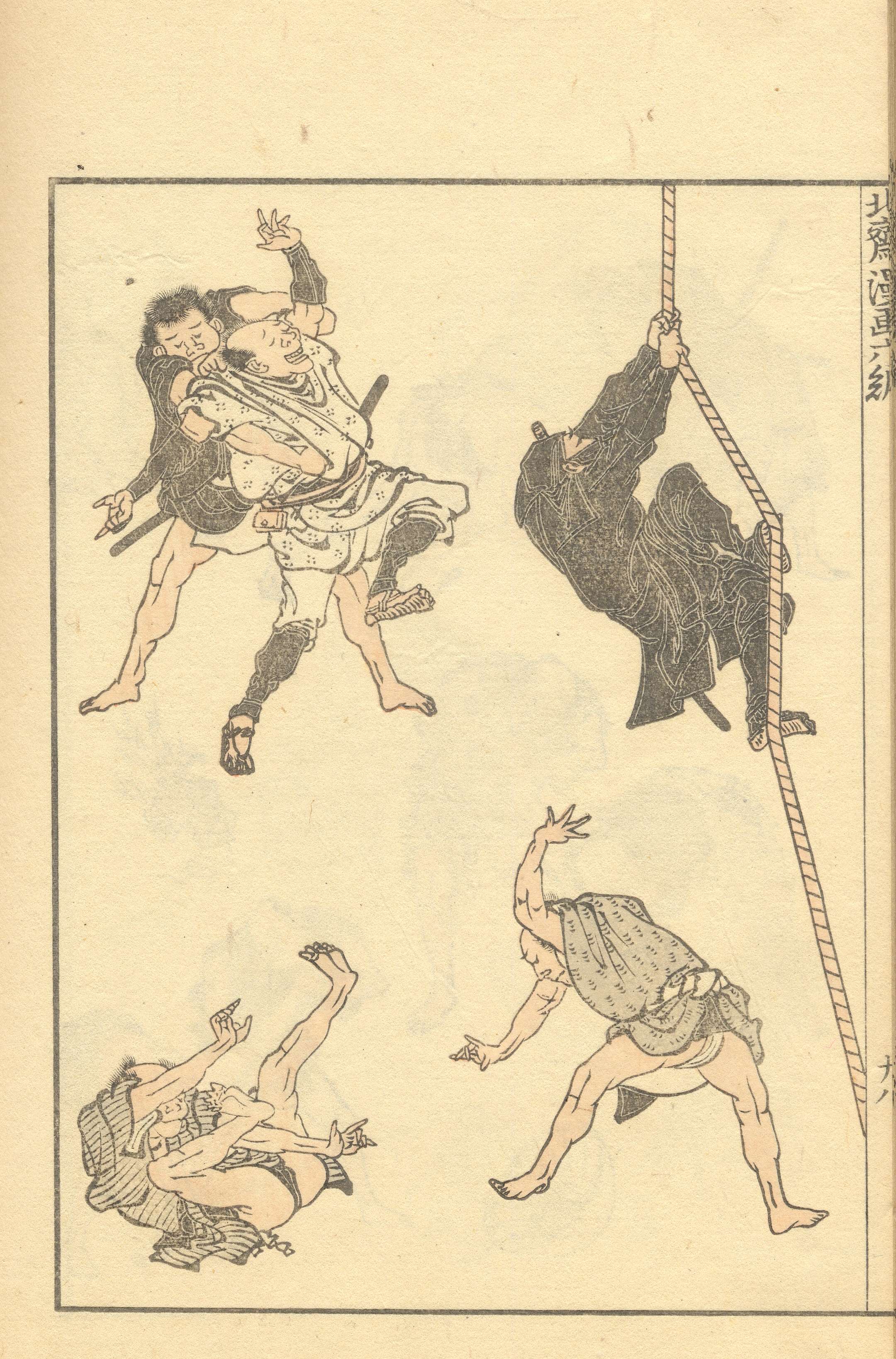

Nearly everyone has at least heard of ninjas before. From kid's TV shows and blockbuster Hollywood movies to video games, comic books and countless other forms of media, ninjas are depicted everywhere. Normally, ninjas are depicted as stealthy, silent warriors. But there's actual a true story behind ninjas, which we're going to discuss in this blog post.
The Shinobi
Known as shinobi, ninjas are essentially covert mercenaries who were hired for spying, assassinations, guerrilla warfare and infiltration missions during feudal Japan. Occurring at the beginning of the Kamakura period (1185 to 1333), feudal Japan became ruled by many individual kingdoms. As these kingdoms fought against each other, some sought the services of shinobi to facilitate their gains and increase their regional power. Shinobi were highly trained in weapons, stealth, martial arts and other essential skills, making them invaluable to the various daimyo (ruling families).
Why Are They Called Ninjas?
If ninjas have been traditionally called shinobi, you might be wondering why their name changed. Well, it's unknown when the term ninja first appeared, nor is it known who used it first. According to Wikipedia, though, Japanese Prince Yamato Yakeru used the term around the 4th century. While these stealthy warriors were traditionally known as shinobi throughout the country's feudal period -- and even beyond -- the term ninja has since become interchangeable with the term. Today, shinobi and ninja have the same meaning, with both terms referring to the stealthy for-hire mercenaries of feudal Japan.
Spying
Some people assume that shinobi were only responsible for carrying out attacks. While it's true that some shinobi during feudal Japan were hired to attack opposing daimyo using swords, spears, bows and explosives, many were hire to spy. In fact, espionage is said to be the single most important role for shinobi. After being hired, they would wear disguises while infiltrating enemy territory to gain intelligence on the terrain, defences, building locations and more.
Sabotage
In addition to spying, some shinobi were hired to sabotage another daimyo. One of the most common forms of sabotage was arson. Shinobi were capable of sneaking past enemy defences, at which point they could set fire to buildings and structures.
To recap, ninjas are real, though they've been traditionally known as shinobi during feudal Japan. Not to be confused with samurai warriors, shinobi were mercenaries who carried out a variety of alternative tactics, including spying, infiltration, assassination and sabotage.

Who the Muramasa smiths really were, how their blades became linked to the Tokugawa family's misfortunes, and why historians treat the curse as legend.

What nagasa, sori, motohaba, kasane, tsuka length, weight and balance point mean, how each is measured, and how to compare two swords fairly.

What the habaki, tsuba, tsuka, menuki, fuchi, kashira and saya actually do, and how to choose each one when you design a custom katana. Illustrated with museum pieces from the Metropolitan Museum of Art.


