
Your Cart is Empty


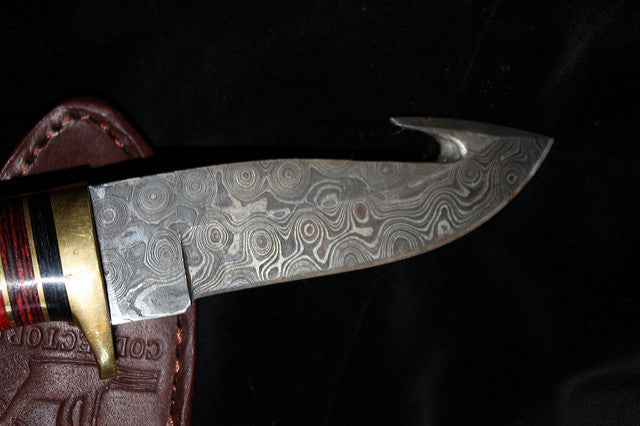

Along with tamahagane, which we also discuss on our blog, Damascus is one of the most well-known and sought-after types of steel in the world. It's characterized by its exceptional durability, strength and distinct mottling resembling that of flower water. To learn more about Damascus steel and its properties, keep reading.
Damascus steel is named after the Syrian capital of Damascus. Contrary to what some people believe, there's no evidence suggesting that Damascus steel was invented here. Historians believe it was simply named "Damascus steel" because swords made of this metal were either sold or made in Damascus. Instead, historians believe the crucible steel process -- fundamental step for making Damascus steel -- was invented in Tamil Nadu sometime before the 1st century.
Characteristics of Damascus Steell
Damascus steel is truly unique, featuring properties and characteristics that aren't found in other types of metal. It's strong, durable and has a unique pattern (see above). Many people prefer Damascus steel over other types simply for its aesthetics benefits alone. The mottling pattern is mesmerizing and looks great on swords and knives.
From a practical standpoint, however, Damascus steel is a better choice of metal for swordsmiths to use. Once finished, swords made of this metal had a razor-sharp edge that didn't dull from regular use.
How Damascus Steel is Made
While we know how feudal Japan made tamahagane steel, we do not know how Damascus steel was made. As explained in this article published by the New York Times, the characteristics of Damascus steel became known in the 11th century, during which Crusaders discovered swords made of this metal could "split a feather in midair, yet retain their edge."
The article further cites Dr. Wadsworth and Dr. Sherby as stating Damascus steel has between 1% and 2% carbon content. In comparison, traditional steel only has about 1% carbon content. The two doctors also believe that Damascus steel is made by forging and hammering at lower temperatures, usually around 1,700 degrees Fahrenheit.
Perhaps the most important step in making Damascus steel, however, is the use of wootz. Produced in India, wootz is a type of steel that's made in the shape of a block. Wootz essentially allowed swordsmiths to bend Damascus steel swords and blades more easily, while still preserving a superior level of strength when the metal cooled.
Researchers believe that wootz was made by mixing porous iron, wood and charcoal together, and then heating the mixture at high temperatures. Once cooled, the wootz was used to Damascus steel.
Photo credit: Rich Bowen

Around 170 Viking-age blades bear the name Ulfberht. Microscope studies show some were made of crucible steel and many were copies. Here is what we know.

The bows, carrying positions and ways of passing and placing a sword taught in many dojo, and why schools differ.

Who the Muramasa smiths really were, how their blades became linked to the Tokugawa family's misfortunes, and why historians treat the curse as legend.


