
Your Cart is Empty


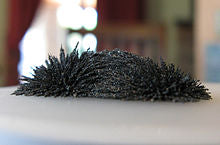

Iron sand (see photo to the left) is a special type of sand that's rich in the metal iron. While most sand contains at least some trace of iron, iron sand has a significantly larger concentration. As a result, it has a distinct blackish-gray color, which is in stark contrast to the white-yellow color of regular sand.
Iron sand occurs naturally in several regions throughout the world. New Zealand's North Island is one such area that's home to a substantial amount of iron sand. Additionally, it can be found on Java Island in Indonesia.
Properties of Iron Sand
Because of its high concentration of the metal iron, iron sand has a few unique properties worth noting. Aside from its distinct color, it also heats up to high temperatures when exposed to sunlight. In fact, touching iron sand that's been directly exposed to the sun can cause minor skin burns. There are even beaches of iron sand in New Zealand where authorities issue warnings for this very reason.
Iron sand contains more than just iron, however. Other elements found in iron sand include titanium, silica, calcium and vanadium, though in significantly smaller quantities.
Japanese Swordsmithing and Iron Sand
Perhaps the most notable use for iron sand is swordsmithing. Swordsmiths in feudal Japan discovered that iron sand allowed them to produce stronger, higher quality steel, which subsequently paved the way for better swords.
Tamahagane -- a type of Japanese steel that's characterized by a high carbon content -- is produced with iron sand. The swordsmith begins by mixing together two different types of iron sand: a low-quality iron sand known as akome satetsu and a high-quality iron sand known as masa satetsu. Next, the swordsmith places the combined iron sand into a clay tub furnace known as a tatara. The tatara is then heated to 1,800 degrees Fahrenheit, with the swordsmith adding additional iron sand every 10 minutes. Once complete, the swordsmith breaks the tatara to release the tamahagane steel.
Most historians agree that Japan was the first country to effectively use black sand. When Japanese swordsmiths discovered that iron sand could be used to produce tamahagane steel, it helped the country become the world's dominant region for swordmaking. As you may already know, tamahagane steel offers a superior level of strength and durability than other types of steel. And if it wasn't for iron sand, perhaps tamahagane steel would have never been created.

Who the Muramasa smiths really were, how their blades became linked to the Tokugawa family's misfortunes, and why historians treat the curse as legend.

What nagasa, sori, motohaba, kasane, tsuka length, weight and balance point mean, how each is measured, and how to compare two swords fairly.

What the habaki, tsuba, tsuka, menuki, fuchi, kashira and saya actually do, and how to choose each one when you design a custom katana. Illustrated with museum pieces from the Metropolitan Museum of Art.


Gregg Pennington
October 31, 2025
Your article doesn’t say, but how long does a tartara bake the Sand and the Coals ( pine wood ?) for total completion ?