
Your Cart is Empty


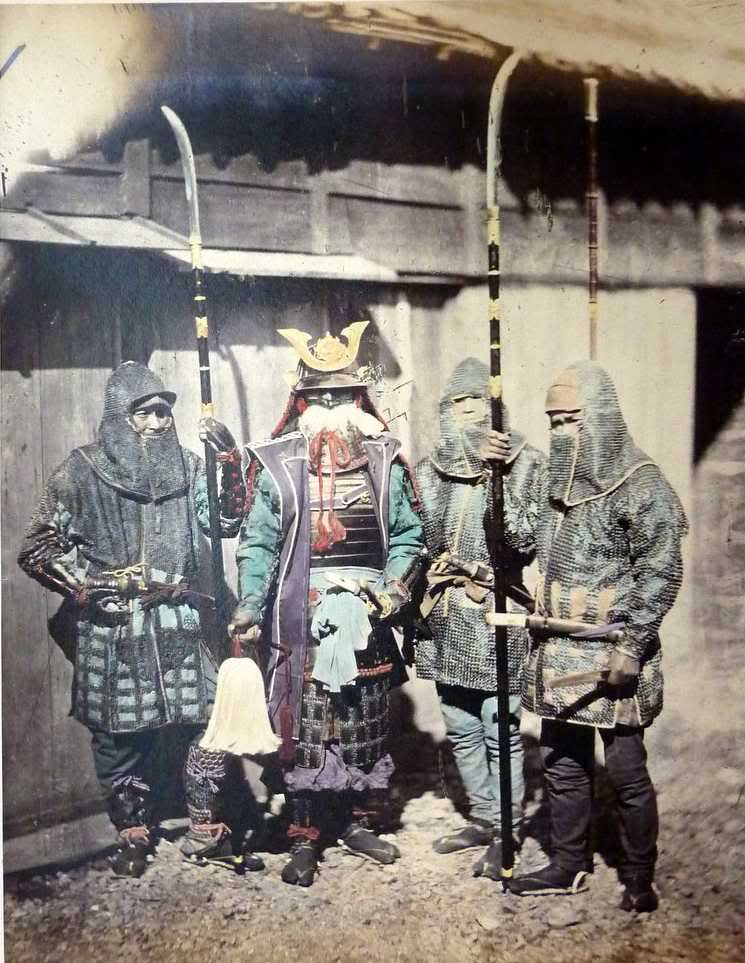

Japan is most known for its superior-quality curved-edge swords, including the katana and wakizashi. However, the region has pioneered dozens of other weapons over the years, including polearms. The naginata is one such polearm that was invented in feudal Japan. To learn more about the naginata and the role it played in Japan's military, keep reading.
Overview of the Naginata
As shown in the photo here, the naginata is a polearm weapon that was invented during Japan's feudal period. Although there were many variations of it, most consisted of a wooden pole affixed with a single-edged, curved blade at the top. The naginata also featured many design elements of the traditional Japanese katana, including a round tsuba separating the wooden shaft and the blade.
To say the naginata was long would be an understatement. With a typical blade measuring 30 to 60 cm -- not accounting for the wooden shaft -- the naginata was incredibly long when compared to other traditional Japanese swords and bladed weapons. Nonetheless, it was forged using the same process as other swords and bladed weapons. A bladesmith would melt down iron and charcoal to create high-carbon steel, after which he would use this steel to forge the naginata's blade.
How the Naginata Was Used
The naginata wasn't the most agile weapon in Japan's arsenal. Due to its long, large size, samurai warriors couldn't effectively use it in close-quarter combat. However, that's not what the naginata was designed for. Rather, it was used primarily in open spaces where a samurai warrior could engage enemies from a safe distance.
It's important to note that the naginata wasn't used strictly by samurai warriors. It was also used by foot soldiers, known as ashigaru, as well as warrior monks, known as sohei. For these reasons, there were a substantial number of naginata produced during feudal Japan, making it a common weapon on the battlefield.
Around Japan's Edo Period, the naginata's popularity as a practical weapon began to fade. With the polearm weapon receiving less use on the battlefield, the naginata found a different purpose. According to Wikipedia, people began purchasing and owning the naginata as a status symptom. Those who owned this polearm weapon were considered wealthy and high class.
The naginata is still incorporated in a variety of traditional Japanese martial arts. In naginatajutsu, for example, practitioners spar using practice versions of this classic Japanese polearm weapon.

The kris is a weapon, an heirloom and a sacred object. How to read its blade, how pamor patterns are made, who the empu are, and why UNESCO recognized it.

How to choose a sword for someone else: matching it to their art, sizing it without spoiling the surprise, useful extras, and lead times for custom work.

How to size an iaito for your height, weigh alloy against steel, judge the handle and fittings, and what to ask your sensei and the seller first.


