
Your Cart is Empty


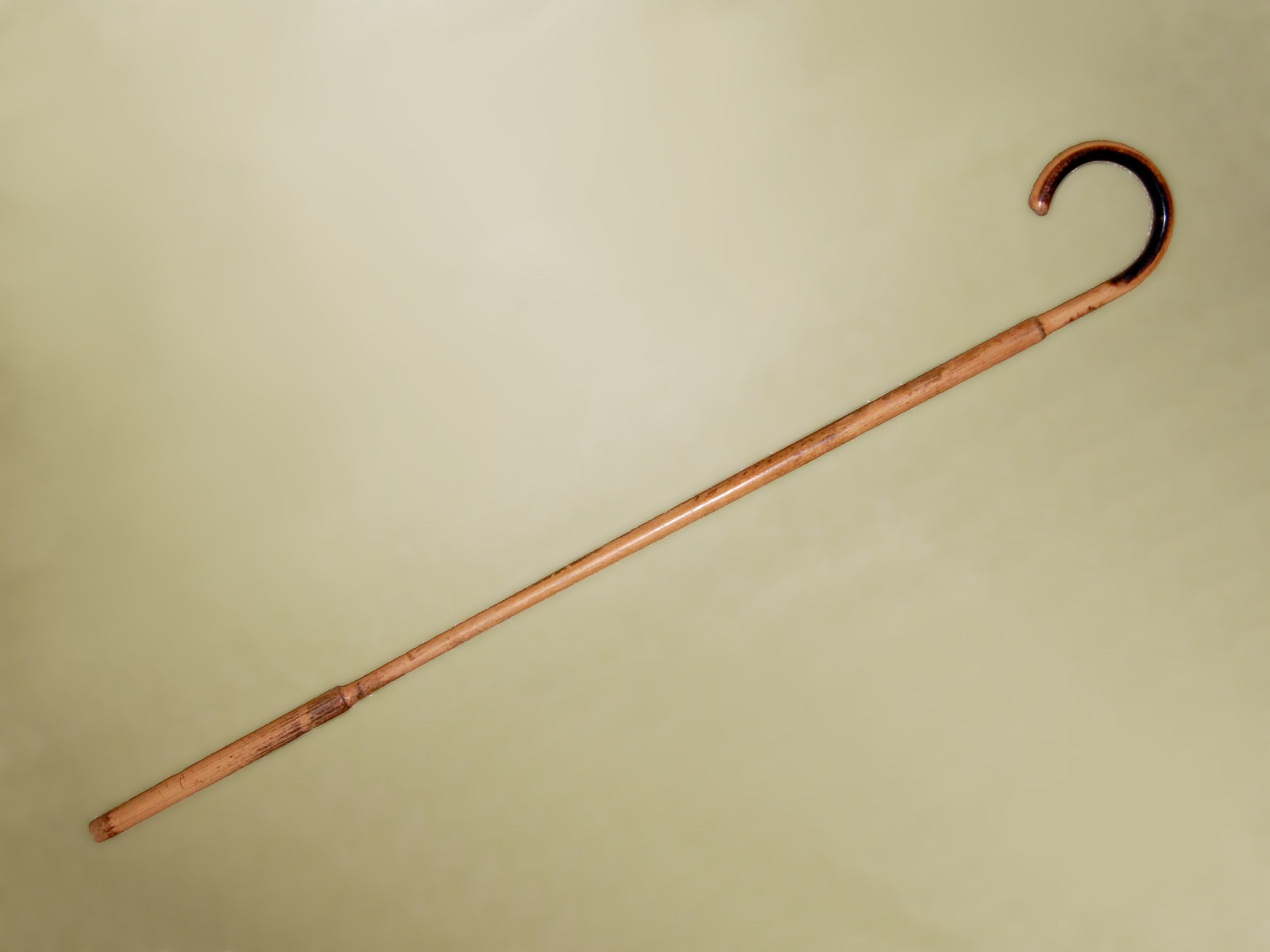

The shikomizue was one of many swords pioneered during Japan's feudal period. To the unsuspecting eye, however, it doesn't look like a regular sword. Rather, it looks like a walking stick or cane. This unique design made the shikomizue a particularly effective weapon for shinobi, many of whom carried the shikomizue while conducting convert infiltration and espionage missions. In this post, we're going to explore the traditional Japanese shikomizue, revealing how it was designed and used.
Overview of the Shikomizue
The shikomizue was essentially a straight, double-edged sword produced during feudal Japan that's concealed in a wooden cane or walking stick. It consisted of two primary parts: the sword itself and a wooden cover or sleeve in which the sword was placed. When the sword was placed in the wooden cover or sleeve, it was converted into a wooden cane or walking stick. Pulling the sword out of the cover or sleeve, on the other hand, converted it into a fully functional sword.
How the Shikomizue Was Used
There are countless other swords and bladed weapons available during feudal Japan, some of which include the katana, tanto, tachi and wakizashi. So, what made the shikomizue stand out from the rest? Because of its hidden and concealed nature, covert agents known as shinobi often preferred it, especially when embarking on secretive missions. If a shinobi carried a traditional sword, there was a greater risk of his or her cover being blown. But the shikomizue allowed shinobi to arm discreetly arm themselves for covert missions without blowing their cover.
Of course, the shikomizue didn't feature the same level of strength or versatility as other Japanese. Although it was concealed, it was relatively small and thin, meaning it broke easily. Nonetheless, the shikomizue was an invaluable weapon for shinobi during feudal Japan and the years to follow.
The Rise and Fall of the Shikomizue
According to Wikipedia, the shikomizue became particularly popular around the turn of the 18th century, during which Japanese citizens would carry it for self-defense. Prior to this time, citizens would regularly carry a sword to protect themselves from bandits or other enemies seeking to cause them to harm. In the 18th century, however, it was no longer socially acceptable to carry a sword in public. This prompted many Japanese citizens to carry a concealed sword in a wooden cane or walking stack. Shortly thereafter, however, the shikomizue's popularity begin to decline, with fewer and fewer citizens carrying them.

Who the Muramasa smiths really were, how their blades became linked to the Tokugawa family's misfortunes, and why historians treat the curse as legend.

What nagasa, sori, motohaba, kasane, tsuka length, weight and balance point mean, how each is measured, and how to compare two swords fairly.

What the habaki, tsuba, tsuka, menuki, fuchi, kashira and saya actually do, and how to choose each one when you design a custom katana. Illustrated with museum pieces from the Metropolitan Museum of Art.


