
Your Cart is Empty


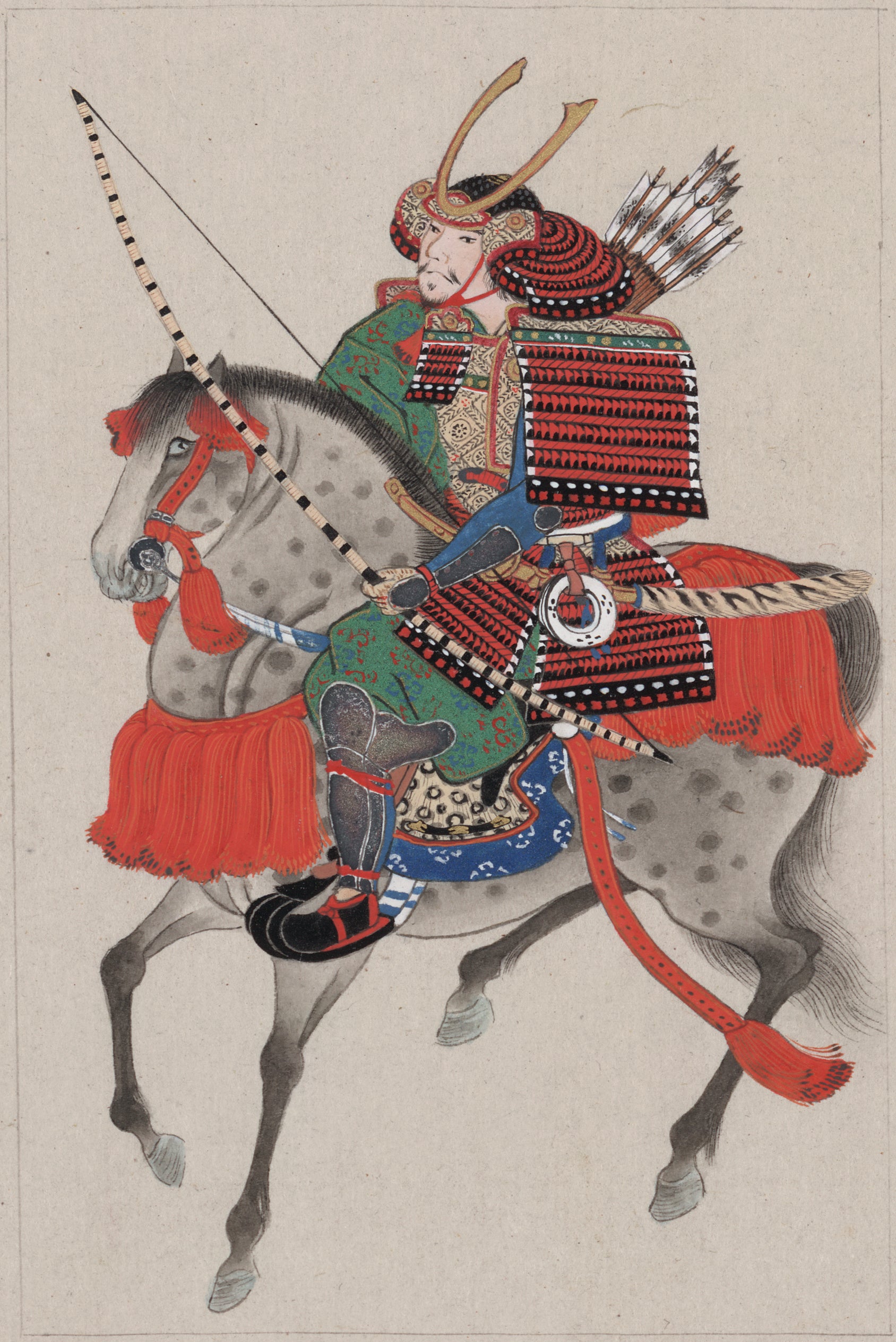

Samurai warriors were instrumental in sculpting Japan's history. Also known as bushi or buke, they consisted of the military caste of feudal Japan. Reports show that about 10% of Japan's population during the region's feudal period were samurai warriors. These highly trained men and women were responsible for fighting and carrying out orders in the name of their respective daimyo. And while different samurai warriors had different objectives, many embarked on a personal journey known as musha shugyō.
Musha Shugyō Explained
The term "musha shugyō" refers to a samurai warrior's personal journey or pilgrimage. During Japan's feudal period, it wasn't uncommon for samurai warriors to perform musha shugyō for the purpose of enlightenment and improving one's skills. All samurai warriors were bound to the daimyo under which they served. To improve their skills so that they could better carry out these orders, however, samurai warriors would embark on a musha shugyō.
A typical musha shugyō would consist of a samurai warrior traveling the countryside while training at various martial arts schools, dueling and performing freelance work as a bodyguard. Of course, Japan had hundreds if not thousands of various martial arts schools where samurai warriors could learn everything from grappling techniques to defensive postures, swordsmanship and deception. When a samurai warrior embarked on a musha shugyō, he or she would often visit these schools to tone to their skills.
In some cases, samurai warriors would embark on musha shugyō for the purpose of finding a new daimyo to serve. If a samurai warrior didn't have a daimyo, he or she would venture the lands searching for a new one.
Origins of Musha Shugyō
It's believed that musha shugyō originated from Zen monks. During feudal Japan, Zen monks would perform their own personal journey in which they traveled long distances on land to become enlightened. Samurai warriors took notice of these journeys and began performing their our journeys for the purpose of improving their skills. This led to the creation of what's now known as musha shugyō.
End of Musha Shugyō
Musha shugyō eventually came to an end at the same time when Japan's samurai era ended. According to Columbia University, the samurai era ended in 1868. This was an important time for Japan, as the region experienced little or no warfare. In contrast, the years prior were defined by ongoing battles, both internally and externally, that required the need for samurai warriors. But with warfare no longer common in Japan, the samurai warrior came to an end, thus bringing the end of musha shugyō as well.

The kris is a weapon, an heirloom and a sacred object. How to read its blade, how pamor patterns are made, who the empu are, and why UNESCO recognized it.

How to choose a sword for someone else: matching it to their art, sizing it without spoiling the surprise, useful extras, and lead times for custom work.

How to size an iaito for your height, weigh alloy against steel, judge the handle and fittings, and what to ask your sensei and the seller first.


