
Your Cart is Empty


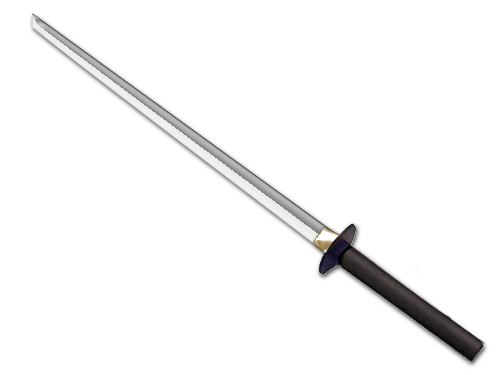

Shinobi, almost known by their common name "samurai," used a variety of weapons to carry out espionage, infiltration and sabotage missions on behalf of their daimyo. While some samurai used the katana as their primary sword, however, most preferred the ninjato. Featuring a straight or slightly curved blade, the ninjato has become synonymous with Japanese samurai. Considering that the katana is one of the world's most recognizable and popular swords, though, you might be wondering why samurai used the ninjato instead of the katana.
Small, Compact Design
Although the ninjato shares many common characteristics with the katana, it was typically designed with a smaller and more compact blade. This was important for samurai during feudal Japan because many were given espionage and other spying-related missions by their daimyo. The ninjato's small and compact design made it particularly effective for such missions. Samurai warriors could easily conceal the ninjato while sneaking into their enemy's territory undetected.
High-Carbon Steel Construction
The ninjato was also forged using high-carbon steel, allowing for a superior level of strength and durability. Japanese bladesmiths discovered that adding carbon to steel resulted in a stronger metal, which they called tamahagane steel. This high-carbon steel was used to make a variety of swords and bladed weapons throughout the history of Japan, including the ninjato.
Some Samurai Created Their Own Ninjato
While most ninjatos were forged by bladesmiths, some samurai made their own. It wasn't uncommon for samurai to work as bladesmiths during feudal Japan. They would harvest their own materials -- river sand, coal, etc. -- and smelt them down for use in swords like the ninjato. By creating their own ninjatos, samurai warriors could alter the design according to their personal preference.
Designed for Fast Drawing
Furthermore, the ninjato was designed so that samurai could unsheathe and draw it in a fast and fluid manner. During duels and skirmishes, the speed at which samurai could draw their sword was a defining factor in their success. With its katana-like design, the ninjato excelled in this regard. When facing an enemy, samurai could quickly draw their sword to engage their opponent and protect themselves from harm.
The ninjato wasn't the only sword used by samurai during feudal Japan. Some samurai still used the katana, wakizashi, tanto, tachi and other swords. In fact, nearly all samurai carried at least two swords while on duty: a large sword and a smaller "companion" sword. With its versatility, though, the ninjato has become synonymous with Japanese samurai.

Who the Muramasa smiths really were, how their blades became linked to the Tokugawa family's misfortunes, and why historians treat the curse as legend.

What nagasa, sori, motohaba, kasane, tsuka length, weight and balance point mean, how each is measured, and how to compare two swords fairly.

What the habaki, tsuba, tsuka, menuki, fuchi, kashira and saya actually do, and how to choose each one when you design a custom katana. Illustrated with museum pieces from the Metropolitan Museum of Art.


