
Your Cart is Empty


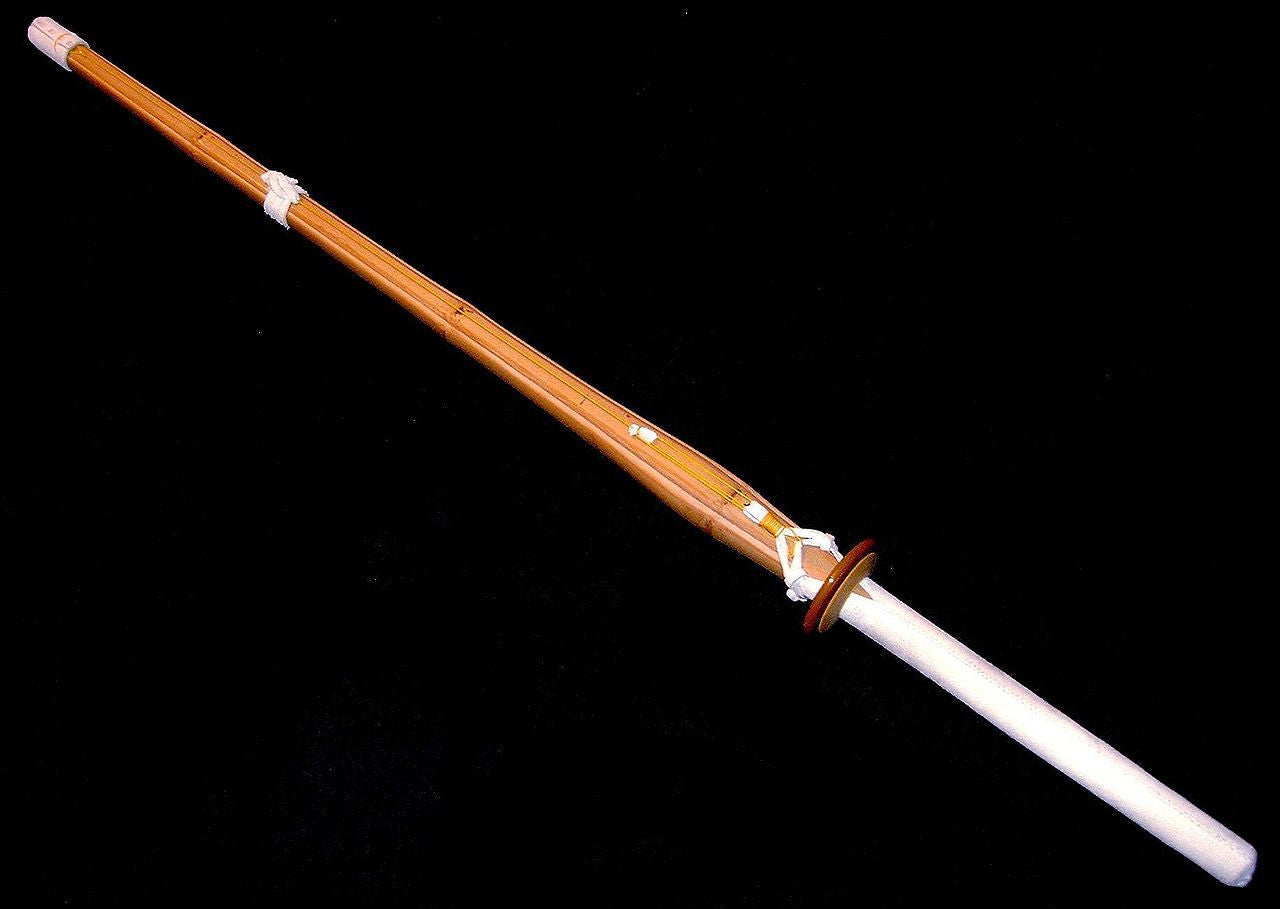

The Japanese shinai isn't a typical bladed sword, but rather a practice sword made of natural bamboo that's used for training. While commonly used in modern-day kendo competitions, the shinai has a long and rich history dating back hundreds of years.
History of the Shinai
It's unknown when exactly the first shinai was created, or who was responsible for inventing it. However, the first recorded use of a bamboo training sword occurred in 16th century Japan, during which samurai warrior Kamiizumi Ise-no-kami Fujiwara-no-Nobutsuna used the shinai in combat school.
It's believed that Kamiizumi and other practitioners used the shinai to prevent injury during training. Previously, samurai warriors and martial arts practitioners used real swords and wooden swords during training, which often resulted in bodily injury. Using a bamboo sword like the shinai prevented such injuries from occurring.
The shinai has evolved over the years, with the modern version featuring four slats of bamboo that are tied together. This design helps to minimize the force of blows. When a practitioner hits an opponent with the shinai, the four slats flex while equally distributing the force over time. Martial arts experts who use the shinai say the worst injuries that occur with the shinai are bruises, and even those are few and far between.
Shinai Maintenance
Like traditional, functional swords, the shinai requires regular maintenance and care. This includes inspecting the practice sword for structural cracks and breaks. If a crack forms in the bamboo, it could cause splintering. Not only is this bad for the shinai, but it also increases the risk of bodily injury.
The shinai should be placed on the floor or propped vertically against a wall when not in use. When the shinai is stored on the floor, no one should walk or step over it, as this is considered poor etiquette. There's no tangible benefit to storing a shinai in this manner. Rather, kendo practitioners teach students to treat the shinai as a real weapon.
Choosing a Shinai
If you're interested in buying a shinai, there are several things to consider:

Toyotomi Hideyoshi's 1588 order to collect farmers' weapons: what the edict said, how it was carried out, and why historians see it as a change of status more than disarmament.

Where handle rattles come from, how to check safely, when a mekugi needs replacing, and when to stop using the sword.

Around 170 Viking-age blades bear the name Ulfberht. Microscope studies show some were made of crucible steel and many were copies. Here is what we know.


