
Your Cart is Empty


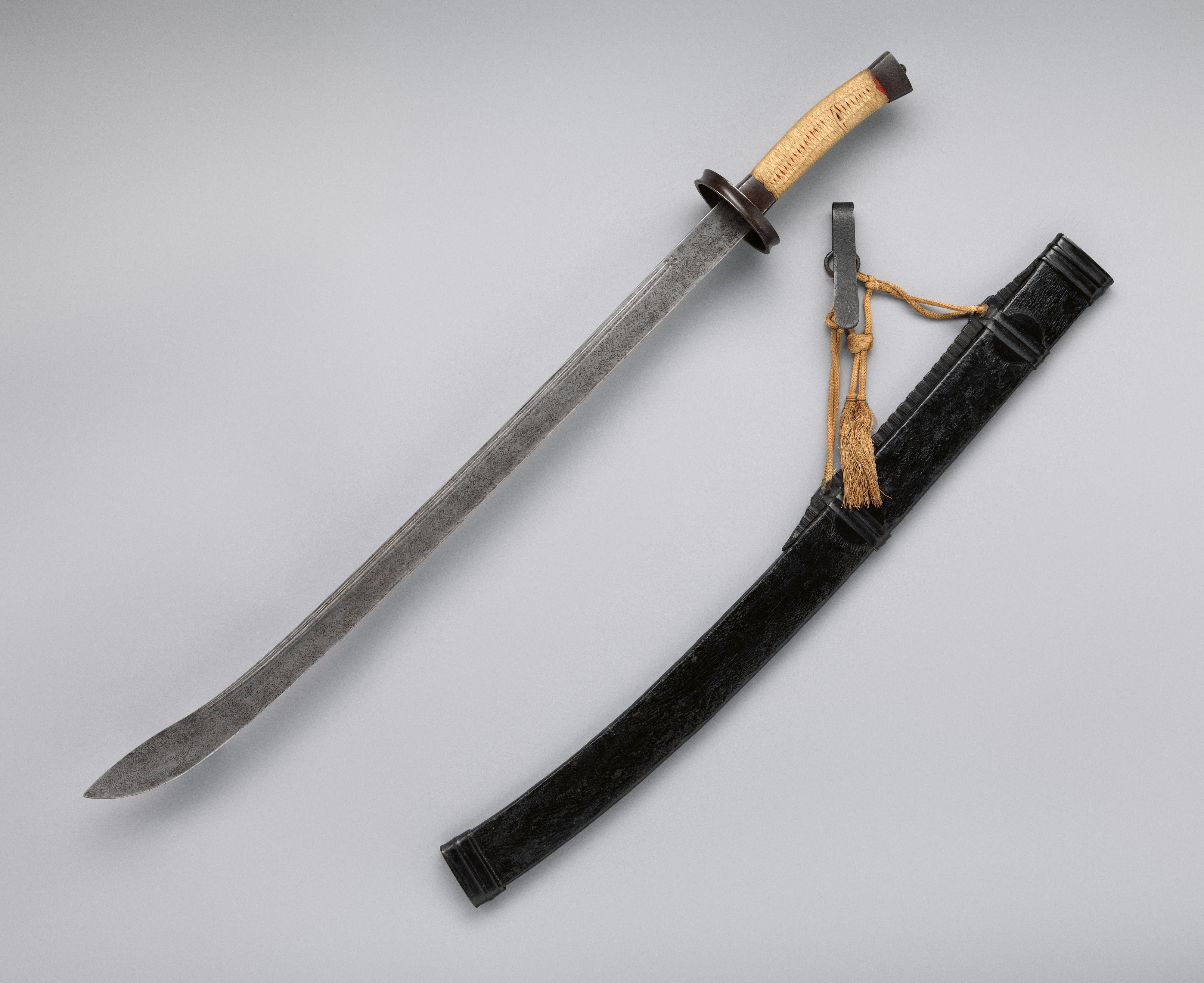
 The dao has long been the preferred sword of the Chinese army. For centuries, it's been used by Chinese warriors as a fighting weapon. While historically significant, though, the dao has largely been forgotten about over the years. In this post, we're going to take a closer look at the dao by revealing five fun facts about this traditional Chinese sword.
#1) They All Featured a Single-Edged Blade
It wasn't uncommon for bladesmiths in China to produce swords with single-edged blades as well as double-edged blades. All dao swords, however, featured a single-edged blade. This is actually one of the dao's defining characteristics. It's a single-edged sword that was used primarily for performing slashing and chopping attacks. The use of a single edge allowed for a sharp edge with a stronger and thicker supporting spine.
#2) The Sabre Was the Most Common Dao
According to Wikipedia, the most common type of dao was the sabre. Often wielded by cavalry units, the sabre featured a prominent single-edged curved blade. It wasn't too small, nor was it too big. The moderate length of the sabre, combined with its versatile blade design, make it a highly formidable weapon on the battlefield.
#3) The Dao Replaced the Jian
The dao became so popular in China that it eventually replaced the jian as the preferred weapon among warriors. Around the latter half of the Three Kingdoms Period, Chinese warriors were almost exclusively using the dao instead of the jian. The jian didn't become obsolete, however. Rather, it was used as a self-defence weapon among members of the aristocratic class.
#4) The Hilt Is Curved
It's not just the dao's blade that's curved; the hilt is curved as well. This is a unique feature that's typically not found in many other swords. So, why did swordsmiths design the dao's hilt with curvature? The reason for the curved hilt is because it allows for a more efficient and efficient thrust. The hilt is curved in the same direction as the blade, thereby allowing for a more fluid movement when using the dao to attack.
#5) Larger Dao Variants Are Used for Martial Arts
Traditionally, the dao has been regarded as a small- to a medium-sized weapon. However, bladesmiths produced larger variants of this traditional Chinese sword that were designed specifically for use in martial arts. These variants still featured the same single-edged, curved blade as their counterparts, but they were designed several inches larger to accommodate the needs of martial arts practitioners.

Who the Muramasa smiths really were, how their blades became linked to the Tokugawa family's misfortunes, and why historians treat the curse as legend.

What nagasa, sori, motohaba, kasane, tsuka length, weight and balance point mean, how each is measured, and how to compare two swords fairly.

What the habaki, tsuba, tsuka, menuki, fuchi, kashira and saya actually do, and how to choose each one when you design a custom katana. Illustrated with museum pieces from the Metropolitan Museum of Art.


