
Your Cart is Empty


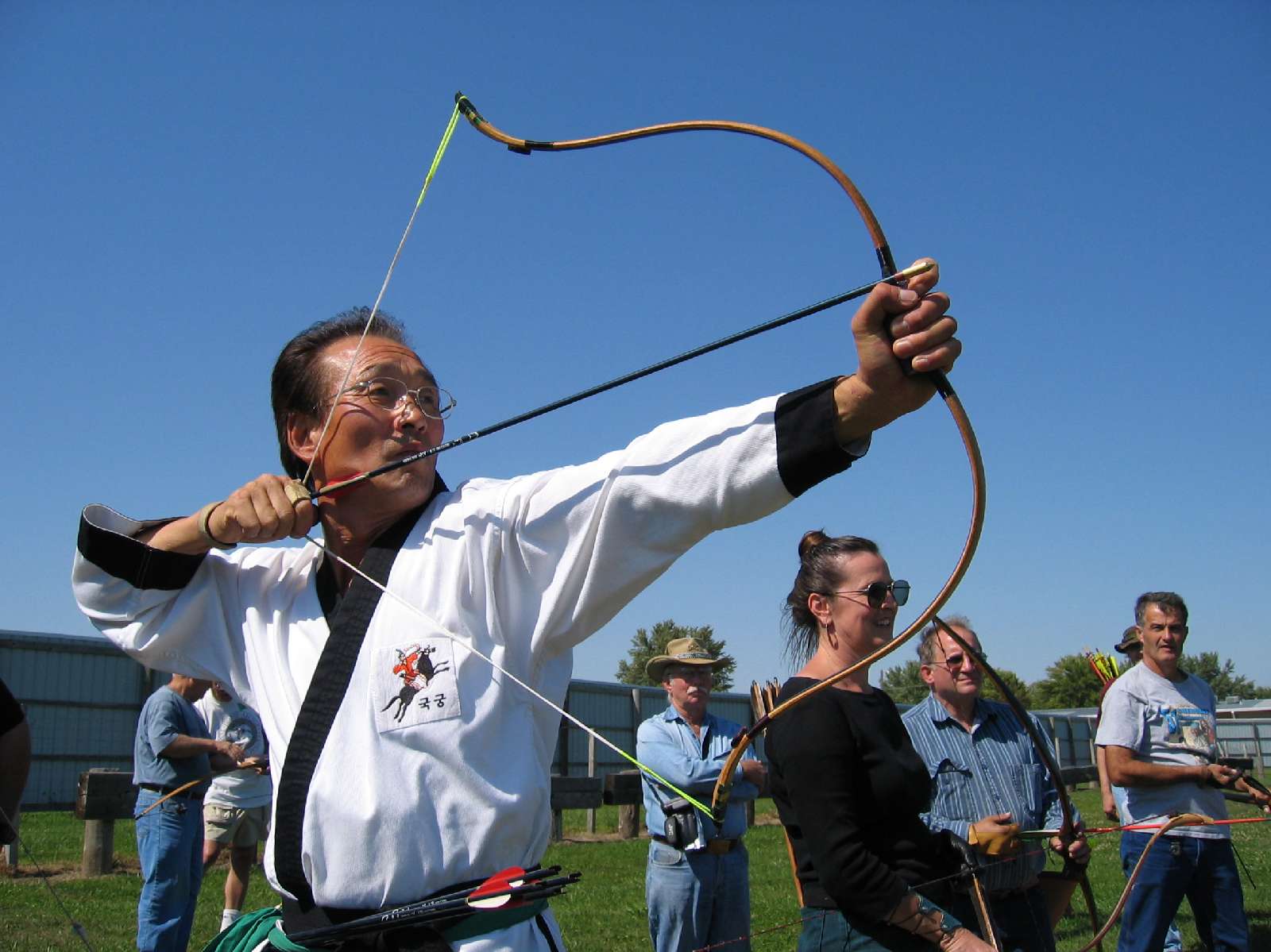

The Korean Peninsula has spawned a variety of martial arts over the years, many of which are still practiced today. In this post, we're going to explore six of the most common styles of Korean martial arts.
#1) Taekwondo
The most popular type of traditional Korean martial arts is taekwondo. Practiced by more than 70 million people worldwide, it centers primarily around self-defense using kicks, blocks, throws, takedowns and grappling. To put the popularity of taekwondo into perspective, it's the only Korean martial art that's an official Olympic sport.
#2) Subak
A lesser known style of traditional Korean martial arts is subak. This martial art involves punching, kicking, throws and other strikes. Subak actually originated in China, from which it made its way across the border and into Korea. While subak is no longer practiced in China, it is practiced in Korea, where thousands of men and women train using its fundamental techniques.
#3) Taekkyeon
There's also taekkyeon, which is a traditional Korean martial art that focuses primarily on kicking while using the practitioner uses his or her hands to unbalance and throw their opponent. With taekkyeon, practitioners are taught to use their hands to compliment the work of their feet. It's a body-wide style of martial arts that's become increasingly popular in recent years, partly because of its classification as "Important Intangible Cultural Properties of Korea" in the 1980s.
#4) Hapkido
Hapkido is a style of Korean martial arts that incorporates elements from Japanese Daito-ryu Aiki-jujutsu. According to various reports, Choi Yong Sul invented Hapkido around the mid-20th century after returning from Japan. It's believed that Hapkido played a critical role in revitalizing Korean martial arts by injecting it with new styles.
#5) Gungdo
Perhaps the most unique style of traditional Korean martial arts is Gungdo. While all other styles involves hand-to-hand combat -- either for self-defense or attacking -- Gungdo focuses on the reflex bow. When the Korean Peninsula engaged in wars with its neighbor China, warriors would frequently use the reflex bow to attack their opponents from a safe distance. This practice has since spawned a new form of martial arts, known as Gungo, which teaches practitioners how to use the reflex bow.
#6) Tang Soo Do
Finally, Tang Doo Do is a Korean martial art that centers around striking. This is a relatively new martial art, however, as it was developed in the 20th century. Tang Soo Do encourages practitioners to perform striking techniques for self-defense, using both their hands, legs and feet.

The kris is a weapon, an heirloom and a sacred object. How to read its blade, how pamor patterns are made, who the empu are, and why UNESCO recognized it.

How to choose a sword for someone else: matching it to their art, sizing it without spoiling the surprise, useful extras, and lead times for custom work.

How to size an iaito for your height, weigh alloy against steel, judge the handle and fittings, and what to ask your sensei and the seller first.


