
Your Cart is Empty


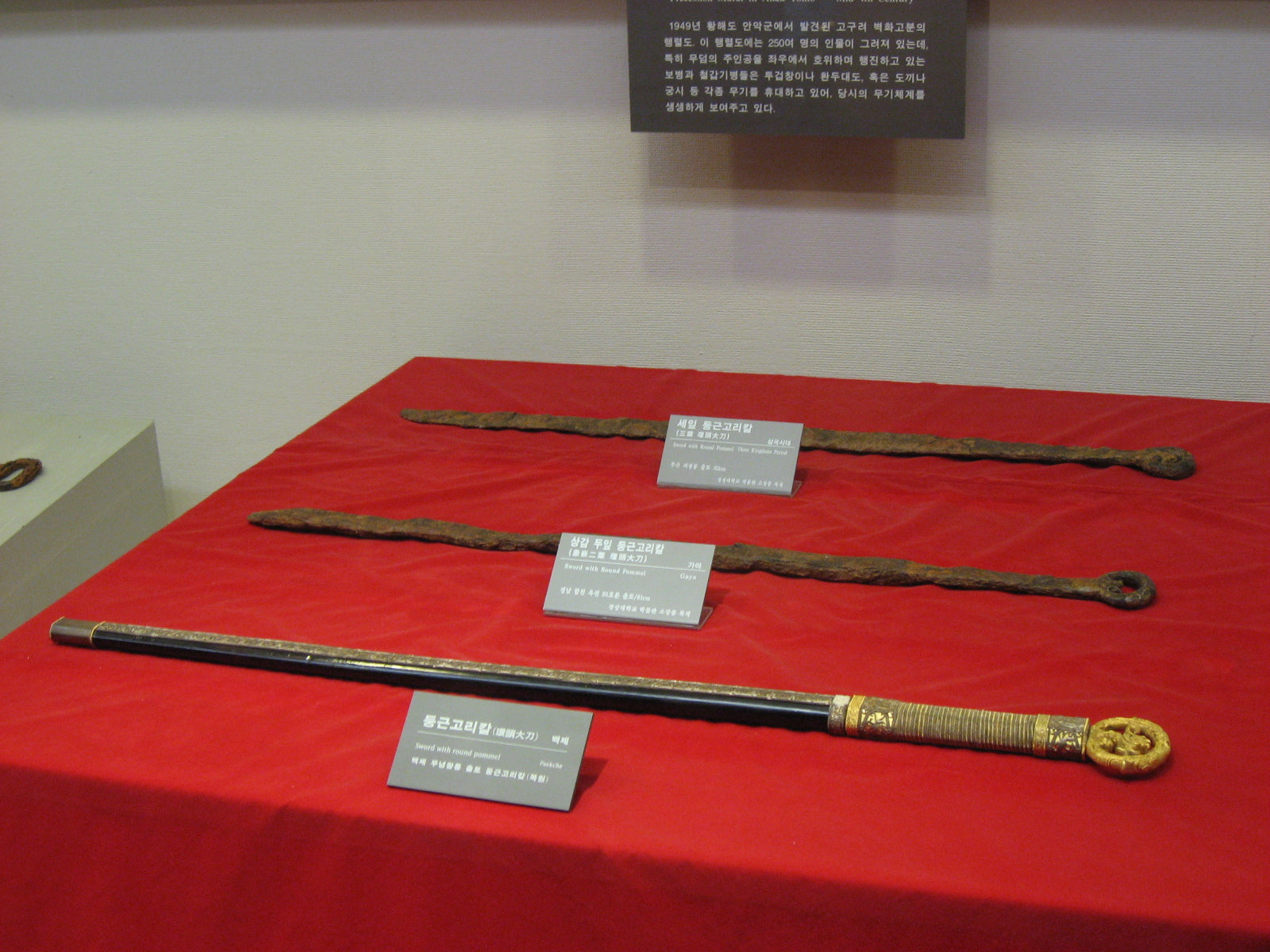

The Korean Peninsula has produced some of the world's finest swords and bladed weapons. Bladesmithing on the Peninsula began during the Bronze Age. At this time, bladesmiths used bronze and iron to produce knives and swords. In the years to follow, bladesmiths perfected the art of creating high-quality swords. In this post, we're going to reveal some of the most common characteristics of traditional Korean swords.
Straight Blade
Although there are exceptions, most traditional Korean swords featured a straight blade. This is in stark contrast to traditional Japanese swords, which featured a curved blade. Straight-blade swords, regardless of origin, are easier to produce than curved-blade swords. They didn't require differential heat treatment, nor did they require specific ratios of metals. As a result, bladesmiths could produce large volumes of traditional Korean swords with little effort.
Moderate Length
The average blade length of a traditional Korean sword was about 24 to 38 inches. Therefore, they weren't too small, nor were they too big. The moderate length of traditional Korean swords made allowed for increased versatility on the battlefield. Warriors could use them in close quarter as well as open environments. Korean bladesmiths still produced other, longer swords, such as the 6-foot Woldo, but most featured an average blade length of just 24 to 38 inches.
Ring-Shaped Pommel
As shown in the photo above, traditional Korean swords often had a ring-shaped pommel. Found at the very bottom of the sword's handle, a ring-shaped pommel didn't offer any functional benefit. Rather, it was used for aesthetic purposes to enhance the sword's appearance. Nonetheless, it's a defining characteristic of traditional Korean swords. From the geom to the Ssangsudo, countless swords produced on the Korean Peninsula have featured a ring-shaped pommel.
Large Guard
Traditional Korean swords typically featured a large guard where the hilt meets the blade. The purpose of this guard is to protect the user against self-injury. With a guard, the user is less likely to accidentally cut himself when wielding and using the sword.
Scabbard
Most traditional Korean swords are also stored in a scabbard. This sheath-like accessory is used to store and protect the sword from damage. Scabbards were usually made of lacquered wood to preserve the blade's edge. When stored in a leather scabbard, swords are susceptible to moisture and blade degradation. Lacquered wood scabbards, however, don't suffer from this problem, making them a popular choice for traditional Korean swords.

Who the Muramasa smiths really were, how their blades became linked to the Tokugawa family's misfortunes, and why historians treat the curse as legend.

What nagasa, sori, motohaba, kasane, tsuka length, weight and balance point mean, how each is measured, and how to compare two swords fairly.

What the habaki, tsuba, tsuka, menuki, fuchi, kashira and saya actually do, and how to choose each one when you design a custom katana. Illustrated with museum pieces from the Metropolitan Museum of Art.


