
Your Cart is Empty


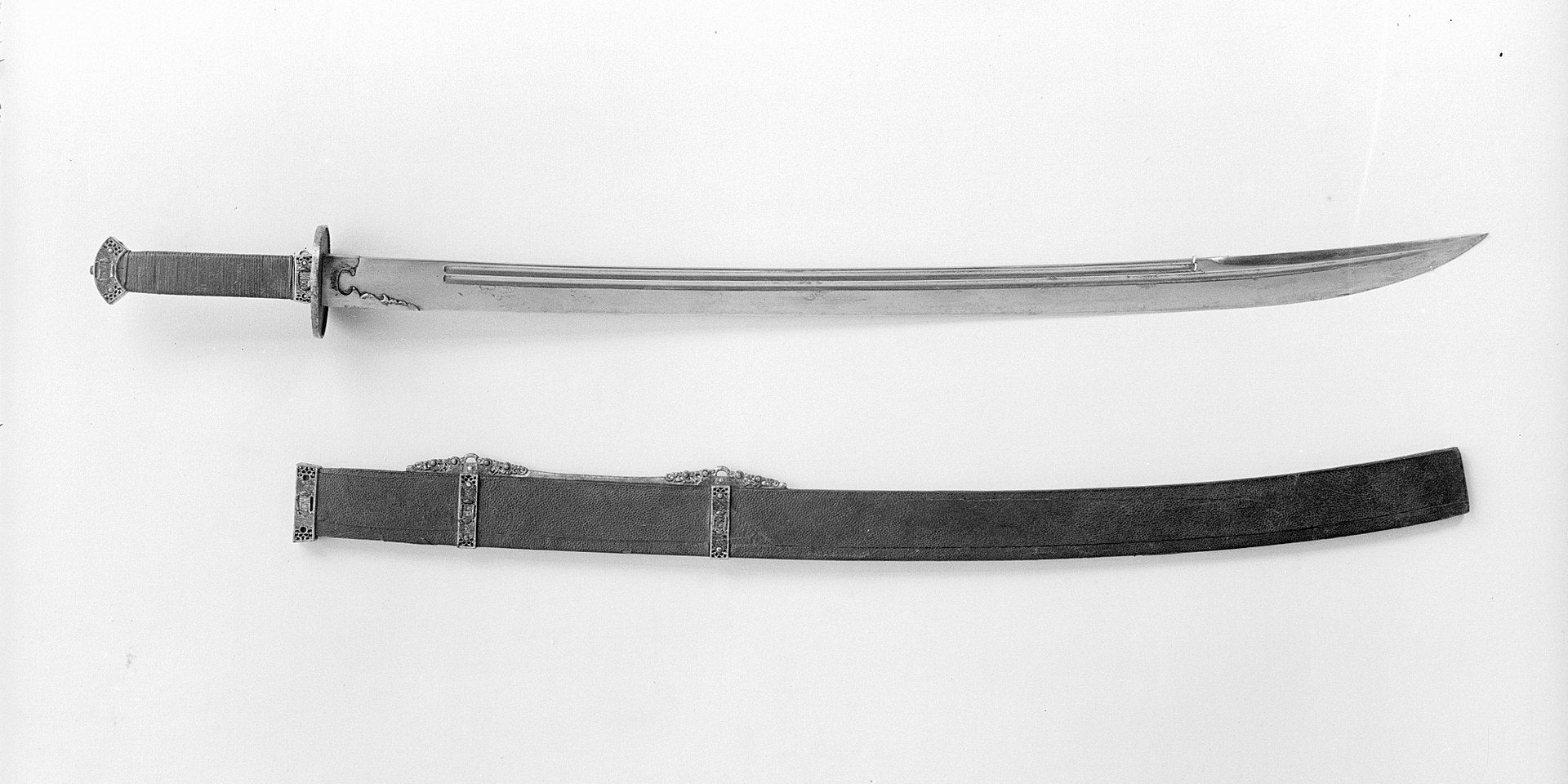

Traditional Chinese swords are generally characterized by having either a straight or slightly curved blade. Some of the region's first swords featured straight blades. Over time, however, they progressed to curved blades.
However, the Mongol Invasion of Chinese introduced the country to the saber, which had a more prominent blade curvature. This promoted China to begin making its swords with a greater curvature. This new style of sword is known as peidao.There are four main types of peidao, which we're going to explore in this blog post today.
Yanmaodao
Translating into "goose-quill saber," yanmaodao sword follow a similar design as the zhibeidao.They have a curve near the tip of the blade, allowing for improved efficiency when performing thrust attacks. And because the curve is towards the tip of the sword, yanmaodao swords were also easier to handle than other designs. These characteristics made it a popular choice of weapon among Chinese soldiers.
Liuyedao
Translating into "willow leaf safer," the liuyedao is perhaps the most common type of curved Chinese saber. It originated in Ancient China during the reign of the Ming dynasty. The liuyedao style is characterized by a moderate curvature running horizontal to the blade. With that said, it typically wasn't used as a primary weapon. Instead, the liuyedao was used as a secondary or sidearm weapon, among both infantry as well as soldiers on cavalry.
Piandao
Translating into "slashing saber," the piandao is characterized by a deeper and more prominent blade curvature. The deep curvature allows for quicker drawing and slashing. Piandao swords closely resemble the shamshir and scimitar. The one-handed design allowed Chinese soldiers to wield it while using a shield. This, of course, was beneficial when facing archers, such as those encountered by Chinese soldiers during the Mongol Invasion.
Niuweidao
The fourth and findal type of peidao is the niuweidao, which translated into "oxtail saber." This heavy sword features a blade that becomes flared and more curved towards the tip. According to various reports, it was invented around the early 19th century, during the Qing dynasty. As such, it's a relatively new sword when compared to other sword types. Furthermore, the niuweidao was used primarily for civilian use; it was not issued to Chinese soldiers in the military.
All four types of peidao are characterized by a prominent blade curvature. As you can see, however, there subtle nuances between the different types.

Who the Muramasa smiths really were, how their blades became linked to the Tokugawa family's misfortunes, and why historians treat the curse as legend.

What nagasa, sori, motohaba, kasane, tsuka length, weight and balance point mean, how each is measured, and how to compare two swords fairly.

What the habaki, tsuba, tsuka, menuki, fuchi, kashira and saya actually do, and how to choose each one when you design a custom katana. Illustrated with museum pieces from the Metropolitan Museum of Art.


