
Your Cart is Empty


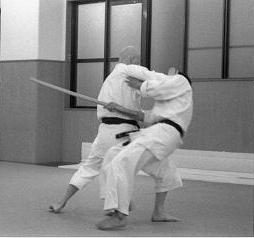

The use of force in Japanese martial arts is often classified as either hard or soft. While used in other forms of martial arts, Japanese martial arts particularly emphasis the balance between these two methods. To learn more about hard and soft techniques and how they differ, keep reading.
Overview of Hard and Soft Martial Arts
In Japanese martial arts, hard methods of force are characterized by direct contact with an opponent. This contact may come in the form of an attack, counterattack, sword parry, leg sweep, etc. Hard methods are linear in this regard. They are performed in a specific manner with a specific goal in mind.
On the other hand, soft methods are characterized by the indirect application or use of force. A martial arts practitioner who dodges an opponent's attack, for instance, uses a soft method. The practitioner still uses force, but that forces is indirectly applied. Another example of a soft method is when a practitioner deflects an opponent's attack and uses the opponent's own force to his or her advantage.
It's important to note that soft methods are typically used for defensive measures in martial arts, whereas hard methods are used for offensive measures. With that said, both hard and soft methods can be used for attacking or defending. It just depends on the way in which they are performed.
Both Hard and Soft Methods Are Used Together
In most Japanese martial arts, both hard and soft methods are used. Japanese martial arts experts compare the hard and soft methods to the yin and yang principle. The hard methods represents the yin, and the soft methods represent the yang. When one of these components is missing, it limits the practitioner's skills while creating an unbalanced environment. Therefore, practitioners are encouraged to use both hard and soft methods in their respective form of martial arts.
Think of it like this: a martial arts practitioner who only uses soft methods won't have many opportunities to attack his or her opponent. Because soft methods rely on indirect force -- and they are typically defensive in nature -- they generally require hard methods as a complementary technique for attacking.
In Conclusion
To recap, hard methods in Japanese martial arts refer to the direct application or use of force, whereas soft methods refer to the indirect application or use of force. Most styles of Japanese martial arts combine the use of hard and soft methods to achieve greater balance.

Who the Muramasa smiths really were, how their blades became linked to the Tokugawa family's misfortunes, and why historians treat the curse as legend.

What nagasa, sori, motohaba, kasane, tsuka length, weight and balance point mean, how each is measured, and how to compare two swords fairly.

What the habaki, tsuba, tsuka, menuki, fuchi, kashira and saya actually do, and how to choose each one when you design a custom katana. Illustrated with museum pieces from the Metropolitan Museum of Art.


