
Your Cart is Empty


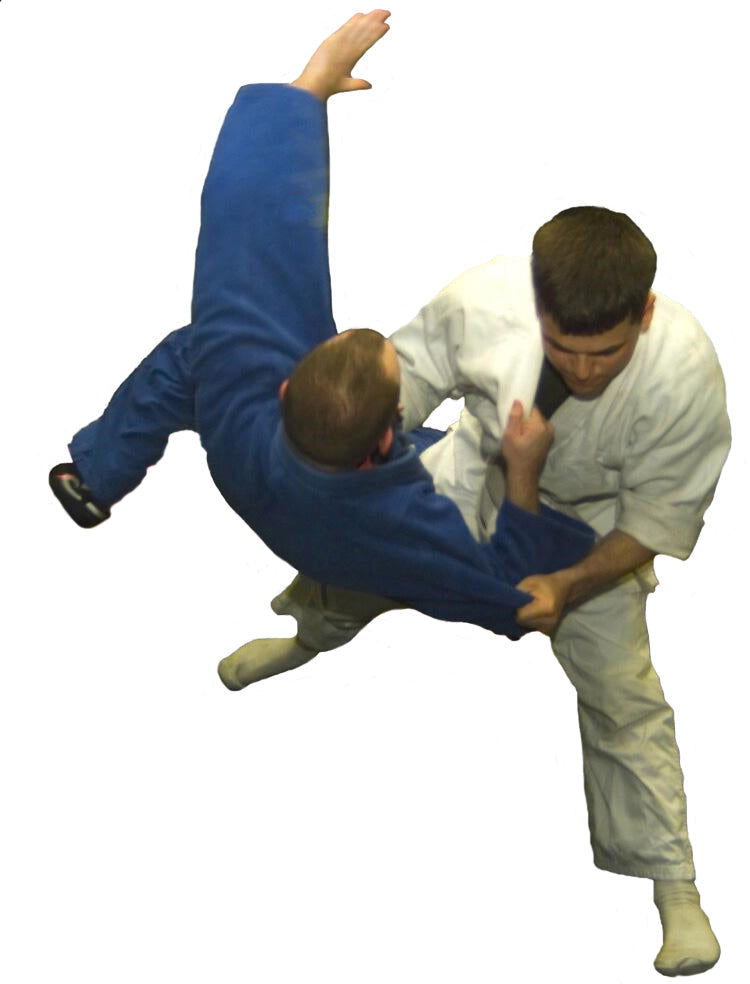

While most people are familiar with traditional Japanese martial arts like kenjutsu and iaijutsu, many have never heard of gendai budo. Meaning the "modern martial way," gendai budo lives up to its namesake by focusing on modern Japanese martial arts. It specifically refers to Japanese martial arts that were founded after the country's Meiji Restoration. To learn more about gendai budo and how it reshaped Japanese martial arts, keep reading.
Gendai Budo Emerges During the Meiji Restoration
The Meiji Restoration was a critical time for Japan. Previously, Japan was ruled by powerful warlords known as shogun. Throughout Japan's feudal period, for example, the shogun Tokugawa ruled the land. The Meiji Restoration of 1868 shifted the balance of power from shoguns back to emperors. Specifically, the emperor Meiji regained control of Japan during this time, so historians have begun referring to this time as the Meiji Restoration.
The Meiji Restoration saw countless changes for Japan, one of which being a focus on new styles of martial arts. During this critical time for Japan, several new styles of martial arts were invented. Collectively, these martial arts are known as gendai budo. Gendi budo isn't a single, specific style of Japanese martial arts. Rather, it refers to any style of Japanese martial arts that was founded during the Meiji Restoration or afterwards.
How Gendai Budo Varies From Traditional Japanese Martial Arts
There are a few key differences distinguishing gendai budo from traditional Japanese martial arts, one of which is a shift from warfare utility to self-improvement. According to Wikipedia, the primary purpose of gendai budo is self-improvement. In comparison, traditional Japanese martial arts founded before the Meiji Restoration focused on warfare and battle training.
While the primary focus of gendai budo is self-improvement, practitioners still learn how to defend themselves against incoming attacks. Judo and kendo are two common examples of gendai budo, both of which teach practitioners how to defend themselves. Even today, thousands of men and women practice judo and kendo so that they can better defend themselves.
Another key difference between gendai budo and traditional Japanese martial arts is that the latter are performed for recreational and sporting purposes. During feudal Japan, martial arts typically weren't performed for this reason. Samurai warriors performed traditional martial arts so that they could better defend themselves on the battlefield. This changed during the Meiji Restoration, with gendai budo being performed for recreational and sporting purposes instead.

Toyotomi Hideyoshi's 1588 order to collect farmers' weapons: what the edict said, how it was carried out, and why historians see it as a change of status more than disarmament.

Where handle rattles come from, how to check safely, when a mekugi needs replacing, and when to stop using the sword.

Around 170 Viking-age blades bear the name Ulfberht. Microscope studies show some were made of crucible steel and many were copies. Here is what we know.


