
Your Cart is Empty


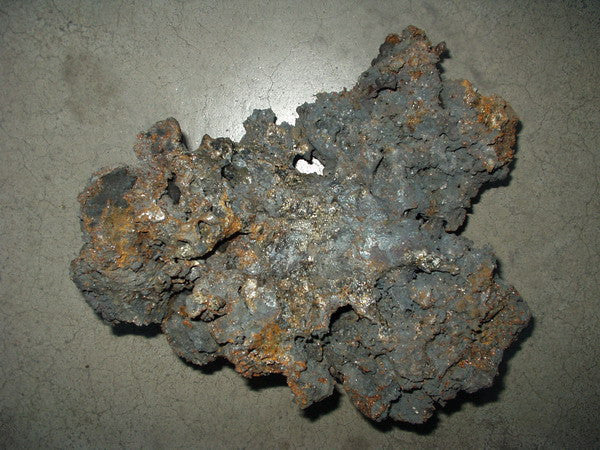

The metal of which a sword is made plays a key role in its strength, durability, sharpness, and ability to hold an edge. Some of the world's earliest swords were made of iron, with bronze coming soon after. The advent of steel, however, revolutionized the swordmaking industry, allowing for stronger and more effective swords.
But not all steel types are made equal. Tamahagne, which was used to make traditional Japanese katanas and other bladed weapons, is considered the highest quality steel. So, how exactly is tamahagane made?
Before we begin, let's go over the basics of tamahagane steel. While many people have heard of this metal, few know what it is or why it's used to make swords. Tamahagane is essentially a type of steel that's characterized by a carbon content of approximately 1% to 1.5%. However, it's more than just carbon steel; tamahagane is made using a traditional Japanese method that allows for a superior level of strength and quality when compared to other types of steel.
Tamahagane Steel Production
Tamahagane steel consists of two types of iron sand ( satetsu): acome and masa,the former of which is a lower quality sand while the latter is a higher quality sand. Being a source of iron, acome and masa sands allow for greater control over the properties of the sword.
To make tamahagane steel, a person known as murage mixes together these two sands, using a specific ratio to achieve the desired properties of the steel. The sands are placed into a clay furnace that typically measures four feet tall and four feet wide. The furnace is then heated to temperatures of 1800 degrees Fahrenheit, after which the murage adds charcoal to improve the strength and hardness of the tamahagane.
Charcoal is important because it's pure carbon -- and tamahagane steel is characterized by its high carbon content.
After mixing the iron sands and charcoal for up to 72 hours, the clay furnace is broken to remove the tamahagane steel. Normally, the highest quality steel is found on the edges of the furnace, as this is where oxidation is the strongest.
You can measure the quality of tamahagane by looking at its color. Swordsmiths generally choose silver-chrome pieces of tamahagane because of strength and overall quality.
Tamahagane Steel Today
During World War II, Japan's tamahagane supplies were limited, so they began making swords using other types of steel.
According to " Science of Tatara and Japanese Sword - Traditional Technology viewed from Modern Science," tamahagane production today is heavily regulated in Japan, with Nittoho and Hitachi Metals only producing the high-end steel three to four times a year.

Toyotomi Hideyoshi's 1588 order to collect farmers' weapons: what the edict said, how it was carried out, and why historians see it as a change of status more than disarmament.

Where handle rattles come from, how to check safely, when a mekugi needs replacing, and when to stop using the sword.

Around 170 Viking-age blades bear the name Ulfberht. Microscope studies show some were made of crucible steel and many were copies. Here is what we know.


