
Your Cart is Empty


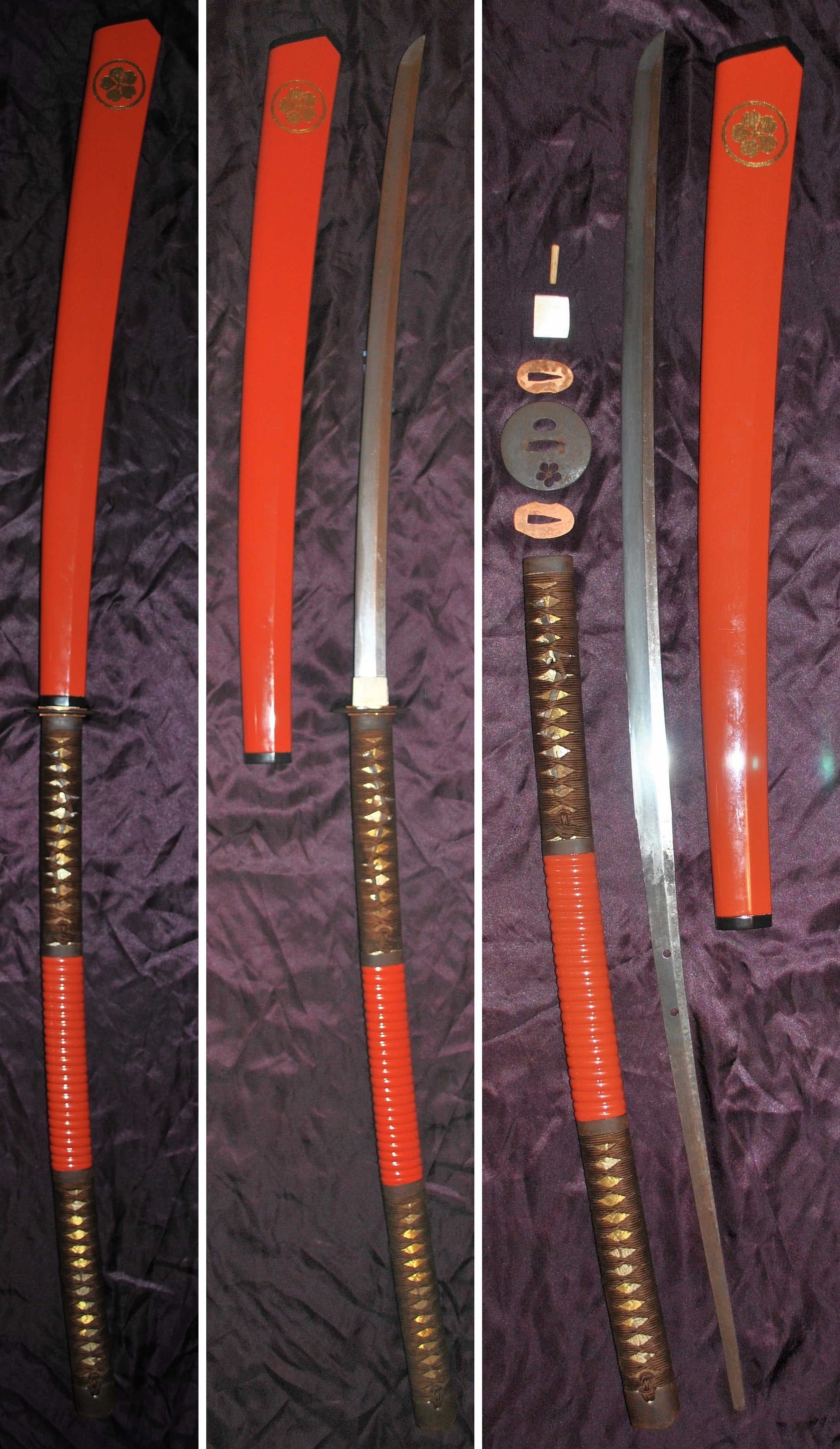

Japan pioneered dozens of unique swords and bladed weapons, some of which include the well-known katana, tanto and wakizashi. Both samurai warriors and martial arts practitioners used these swords on a regular basis. Samurai warriors used them during warfare, whereas martial arts practitioners used them during training and practice sessions. But Japan produced other swords as well, including the lesser-known nagamaki. The nagamaki wasn't an ordinary sword, though. It featured several unique characteristics that distinguished it from other traditional Japanese swords.
It Had a Very Long Handle
All swords, whether produced in Japan in elsewhere, are designed with a handle that the user can safely and comfortably grip while wielding and using the sword. The nagamaki, however, featured a particularly long handle. While different bladesmiths designed the nagamaki in different lengths, a typical nagamaki had a 2-foot blade with an equal-sized handle. In other words, the handle of the nagamaki was the same length as its blade.
It Had Thick, Large Handle Wrappings
In addition to a long handle, the nagamaki also featured thick, large wrappings around the handle. There was even a name used to describe these wrappings: tsukamaki. Also known as hilt wrap, the handle wrappings were essentially cords of leather or fabric that were wrapped around the nagamaki's handle to provide a more comfortable and secure grip. This was particularly important with the nagamaki due to the sword's long handle. Without the right handle wrappings, samurai warriors and practitioners could easily lose their grip while attempting to wield and use the nagamaki.
It Was Used for Sweeping and Slicing Attacks
The katana was arguably one of the most versatile swords pioneered during feudal Japan. With its moderate length and single-edged, curved blade, it could be used in a variety of ways. The nagamaki, on the other hand, was used almost exclusively to perform wide sweeping and downwards slicing attacks. Its unparalleled handle size made it difficult to perform other types of attacks. Therefore, samurai warriors and martial arts practitioners used it primarily for horizontal sweeping and vertical slicing attacks.
Two Mounting Pins Rather Than One
Finally, the nagamaki wasn't designed with a single pin through the tang like other traditional Japanese swords. Rather, it features two mounting pins. Made of bamboo, these pins were placed through the nagamaki's tang and blade, essentially holding them together. This is just one more way in which the nagamaki differed from other Japanese swords of its time.

Who the Muramasa smiths really were, how their blades became linked to the Tokugawa family's misfortunes, and why historians treat the curse as legend.

What nagasa, sori, motohaba, kasane, tsuka length, weight and balance point mean, how each is measured, and how to compare two swords fairly.

What the habaki, tsuba, tsuka, menuki, fuchi, kashira and saya actually do, and how to choose each one when you design a custom katana. Illustrated with museum pieces from the Metropolitan Museum of Art.


