
Your Cart is Empty


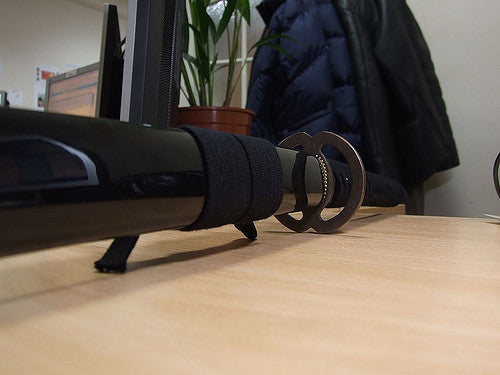

Stainless steel and high-carbon steel are the most popular choice of metals used in the construction of swords. Stainless steel is characterized by the addition of chromium, further protecting it against rust and corrosion. High-carbon steel, on the other hand, contains higher concentrations of carbon, giving the blade a superior level of strength and hardness.
But swords are made of other metals as well, including aluminum. To learn more about aluminum swords and care for them, keep reading.
Aluminum Swords: The Basics
Aluminum is often used to make practice swords, including the Japanese iaito. Aluminum itself is a soft, nonmagnetic metal in the boron group. It's also one of the most common elements on Earth, only behind oxygen and silicone respectively. Aluminum practice swords are often preferred over traditional steel swords for beginners.
Aluminum Sword Pros
Aluminum Sword Cons
For these reasons and others, aluminum swords are generally recommended for beginners, either for collecting or practicing martial arts.
Maintaining and Caring for an Aluminum Sword
But if you choose an aluminum sword, you should take the necessary precautions to preserve its integrity and aesthetics. For starters, aluminum is not as hard as steel and it can be easily scratched. You should take a pre-caution that the blade is not rubbed against other hard surfaces.
Photo credit: Sergii Gulenok

The kris is a weapon, an heirloom and a sacred object. How to read its blade, how pamor patterns are made, who the empu are, and why UNESCO recognized it.

How to choose a sword for someone else: matching it to their art, sizing it without spoiling the surprise, useful extras, and lead times for custom work.

How to size an iaito for your height, weigh alloy against steel, judge the handle and fittings, and what to ask your sensei and the seller first.


