
Your Cart is Empty


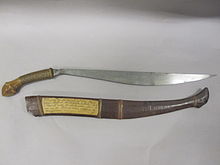

The bolo is a versatile small-to-medium-sized cutting weapon that originated out of the Philippines. It typically features a single-edged, convex blade with a hilt made of either hardwood or carabao horn.
Overview of the Bolo
While often referred to as a sword, the bolo is actually more of a machete. As shown in the photo to the left, both the handle and blade are relatively short when compared to actual swords like a katana or uchigatana.
Philippine blacksmiths made the bolo by forge welding iron and steel. A typical bolo featured a native horn handle that was usually made of carabao horn. It also featured a full tang and a steel blade with a curve. Perhaps the most distinguishable characteristic of the bolo, however, was its widened blade. The bolo's blade was somewhat short and narrow around the hilt. As it progressed towards the tip, however, it became significantly wider. Historians believe this design allowed for additional stopping power and momentum when used for chopping.
Of course, the bolo's short length made it a poor choice of weapon when used against enemies with longer bladed weapons. As a result, warriors wielding the bolo would often conceal themselves in brush and vegetation, waiting for an opportunity to strike.
Common Types of Bolo
There have been dozens of different bolos forged throughout history, each of which has a specific purpose. Some of the most common types of bolos include the following:
While most bolos were designed for a specific reason, they could generally be used for a wide range of purposes such as harvesting and killing game. The widespread availability of the bolo, along with its low cost of production, made it the preferred weapon of Philippine farmers and peasants.
There has also been strong symbolism attached to the bolo, especially during the Philippine Revolution. The country revered this otherwise simple weapon, often depicting it in artwork and monuments.

Who the Muramasa smiths really were, how their blades became linked to the Tokugawa family's misfortunes, and why historians treat the curse as legend.

What nagasa, sori, motohaba, kasane, tsuka length, weight and balance point mean, how each is measured, and how to compare two swords fairly.

What the habaki, tsuba, tsuka, menuki, fuchi, kashira and saya actually do, and how to choose each one when you design a custom katana. Illustrated with museum pieces from the Metropolitan Museum of Art.


