
Your Cart is Empty


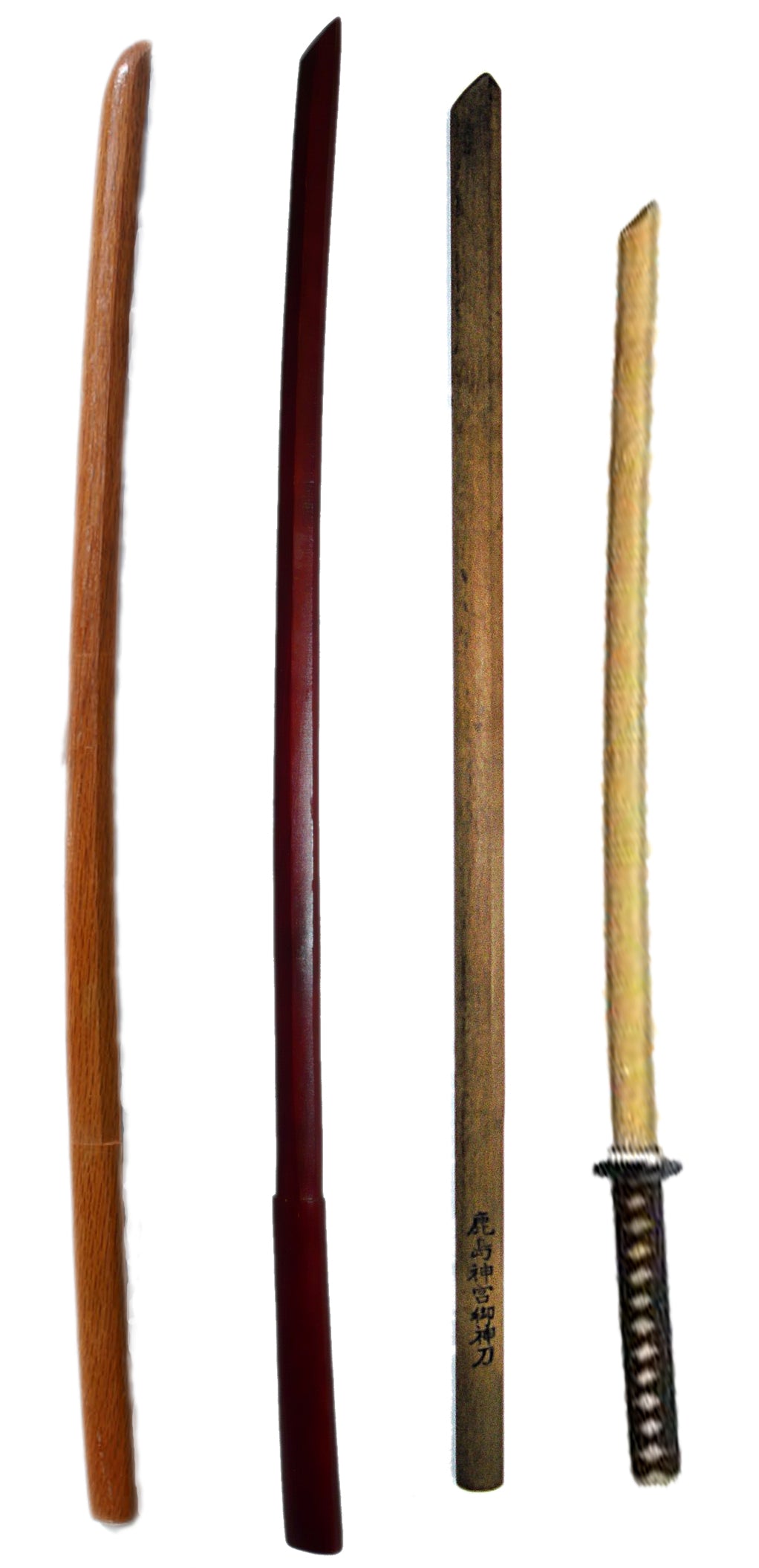

Practitioners of traditional Japanese martial arts typically don't use a real sword when training. Rather, they use a practice sword to reduce the risk of accidental injury -- to themselves as well as others practitioners with whom they are training. While there are a number of traditional Japanese practice swords, one of the most common is the suburitō.
What Is the Suburitō
The suburitō is a type of traditional Japanese practice sword that closely resembles a real sword. It's been used extensively in kenjutsu competitions, with many practitioners preferring it over other practice swords because of its realistic appearance and overall design. Other Japanese practice swords are designed with a wooden blade. The bokken, for example, is a type of Japanese practice sword that's carved out of wood or bamboo. It doesn't actually have a metal blade. Rather, a piece of wood or bamboo is carved to create the appearance of a blade.
The suburitō also features a wooden design, though it differs from the bokken in several ways. First, the suburitō was typically designed without a crossguard, whereas the bokken almost always had a crossguard. Second, the suburitōwas designed with an average length of 45 inches (115 cm), whereas the bokken was slightly shorter. And finally, the suburitō was used primarily for practicing sword swinging techniques as well as prearranged exercises known as kata.
Martial arts practitioners originally used swords with a metal blade when training. After numerous accidental injuries, though, practice swords like the bokken and suburitō were implemented. This allowed practitioners to train in a safe environment while minimizing their risk of injury. Two or more practitioners could even train against each other using the suburitō without exposing themselves to potential injury. In this regard, the suburitō played an important role in preparing samurai warriors in feudal Japan for battle.
The Legend of the Suburitō
There's an old legend that famous Japanese swordsman and philosopher Miyamoto Musashi constructed a suburitō out of boat oar, which he used during his duel with Sasaki Kokiro. Considering the skill needed to make a suburitō, that would be an impressive feat to say the least. But whether there's any truth to this legend remains is anyone's guess.
The suburitō is still used in kenjutsu and other swordmanship training exercises today. And even after all those years, its design has remained relatively unchanged. It still features the same length as well as the same wooden construction.

Who the Muramasa smiths really were, how their blades became linked to the Tokugawa family's misfortunes, and why historians treat the curse as legend.

What nagasa, sori, motohaba, kasane, tsuka length, weight and balance point mean, how each is measured, and how to compare two swords fairly.

What the habaki, tsuba, tsuka, menuki, fuchi, kashira and saya actually do, and how to choose each one when you design a custom katana. Illustrated with museum pieces from the Metropolitan Museum of Art.


