
Your Cart is Empty


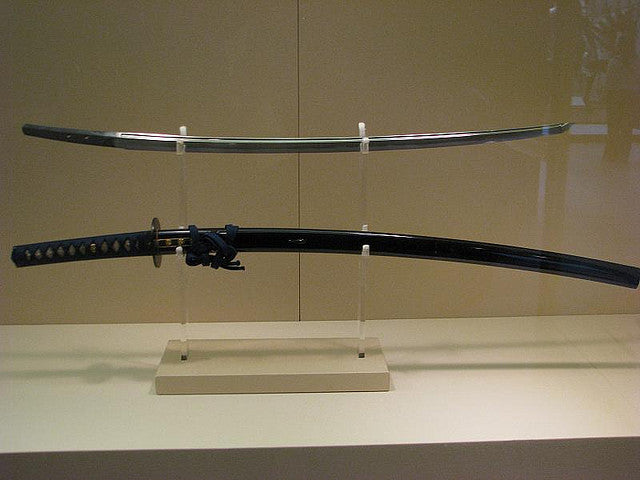

Japan has pioneered numerous styles of martial arts over the years. Battojutsu, for example, is a unique style that involves drawing a sword, such as the katana, as quickly and fluidly as possible. There's also judo, which is a grappling style of Japanese martial arts in which two practitioners compete to take down each other. Other popular styles of Japanese martial arts include kendo, iado, sumo, karate and kenjutsu. But the oldest style of martial arts to originate from Japan is a lesser-known style known as Tenshin Shōden Katori Shintō-ryū.
What Is Tenshin Shōden Katori Shintō-ryū?
Tenshin Shōden Katori Shintō-ryū is a swordsmanship-based style of Japanese martial arts that was developed in the mid-1400s by Lizasa Lenao, thereby making it the country's oldest style of martial arts. Lenao was a fisherman and swordsman who grew up in the countryside village of Lizasa. After becoming trained in the art of the sword, he embarked on a journey to become a Buddhist. Shortly thereafter, he used these teachings to develop a style of swordsmanship-based martial arts that would eventually become known as Tenshin Shōden Katori Shintō-ryū.
There are eight ranks in Tenshin Shōden Katori Shintō-ryū , ranging from the first dan to the eighth dan. Like judo, practitioners begin at the lowest rank -- the 1st dan -- and work their way up to the higher dans. In Tenshin Shōden Katori Shintō-ryū , the highest rank is the eighth dan.
Overview of Tenshin Shōden Katori Shintō-ryū
Tenshin Shōden Katori Shintō-ryū has a complex curriculum that involves multiple elements. While most styles of Japanese martial arts focus on a specific task, such as cutting a practice target or drawing a sword, Tenshin Shōden Katori Shintō-ryū covers many tasks. The curriculum requires practitioners to learn the sword arts, for example, including sword combat, drawing, using two swords and using a single short sword. Once a practitioner has learned this, he or she moves on to other weapons. While swords are the most common type of weapon used in Tenshin Shōden Katori Shintō-ryū, this age-old style of Japanese martial arts also includes the staff, glaive, spear and spike.
Furthermore, Tenshin Shōden Katori Shintō-ryū teaches practitioners the basics of jujutsu, which is an entirely different form of martial art. Meaning "gentle" or "supple," jujutsu involves the use of grappling, kicks and punches to take down and defeat an opponent. Unlike swordsmanship-based martial arts, practitioners don't use weapons. Rather, they rely on their own body to take down their opponent.

Who the Muramasa smiths really were, how their blades became linked to the Tokugawa family's misfortunes, and why historians treat the curse as legend.

What nagasa, sori, motohaba, kasane, tsuka length, weight and balance point mean, how each is measured, and how to compare two swords fairly.

What the habaki, tsuba, tsuka, menuki, fuchi, kashira and saya actually do, and how to choose each one when you design a custom katana. Illustrated with museum pieces from the Metropolitan Museum of Art.


