
Your Cart is Empty


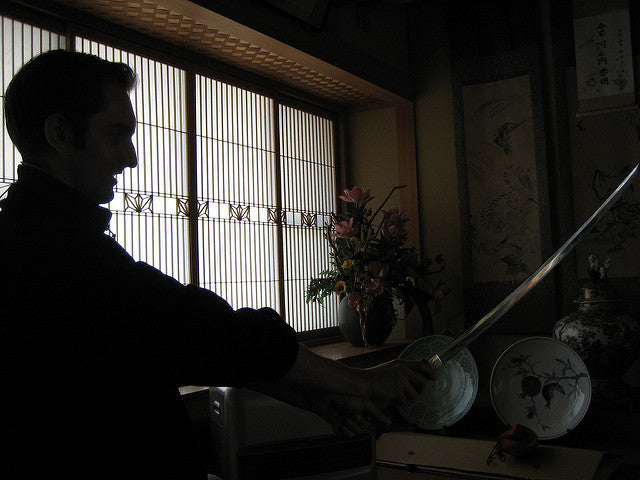

A katana is more than just a sharp-bladed weapon; it's a piece of art. Traditional Japanese katanas are meticulously crafted to achieve a superior level of quality. As such, collectors and owners should follow a few basic precautions when storing their katanas.
Do Store it in Climate-Controlled Environment
Be sure to store your katana in a climate-controlled environment. Fluctuations in humidity and temperature can increase the risk of rust and corrosion. Basements and attics, for instance, are often hot and humid, making them a poor location to store a katana. If you're worried about humidity damaging your katana, install a dehumidifier around it to prevent excessive moisture vapor in the air.
Don't Store Your Katana Without Taking it Out
Try to get into the habit of taking your katana out of storage on a regular basis. Keeping your katana stored in an air-tight case may increase the risk of mold. This is particularly true if it's never removed. To prevent this from happening, take your katana out of storage once every few weeks to inspect it and let it air out.
Do Apply Oil for Long-Term Storage
When storing your katana for a prolonged length of time, it's recommended that you coat the blade with a protective oil. Traditionally, choji oil has been the preferred oil for storing katanas. It's made mostly of clove oil extract with a small amount of mineral oil. Once applied to the blade, choji oil creates a barrier of protection while protecting it from rust and corrosion.
Don't Store it Dirty
I know this is probably common sense to most seasoned sword collectors and martial arts practitioners, but it's still worth mentioning that you should never store a katana while dirty. Even if it's nothing more than a fingerprint smudge, the oils and compounds within the smudge can react with the metal of the katana and potentially cause rusting or other forms of damage. Before storing your katana, take a few minutes to thoroughly clean and polish it, following up with an application of choji oil for maximum protection.
Do Store it Horizontally
Katanas should be stored horizontally in their sheath with the curve down and edge facing upwards. This helps to maintain the katana's edge and protect against unnecessary wear. Alternatively, you can store your katana in a special carrying case, though you should make sure it features a protective padding that isn't going to dull the blade.
Photo credit: Jeremy Hall

Toyotomi Hideyoshi's 1588 order to collect farmers' weapons: what the edict said, how it was carried out, and why historians see it as a change of status more than disarmament.

Where handle rattles come from, how to check safely, when a mekugi needs replacing, and when to stop using the sword.

Around 170 Viking-age blades bear the name Ulfberht. Microscope studies show some were made of crucible steel and many were copies. Here is what we know.


