
Your Cart is Empty


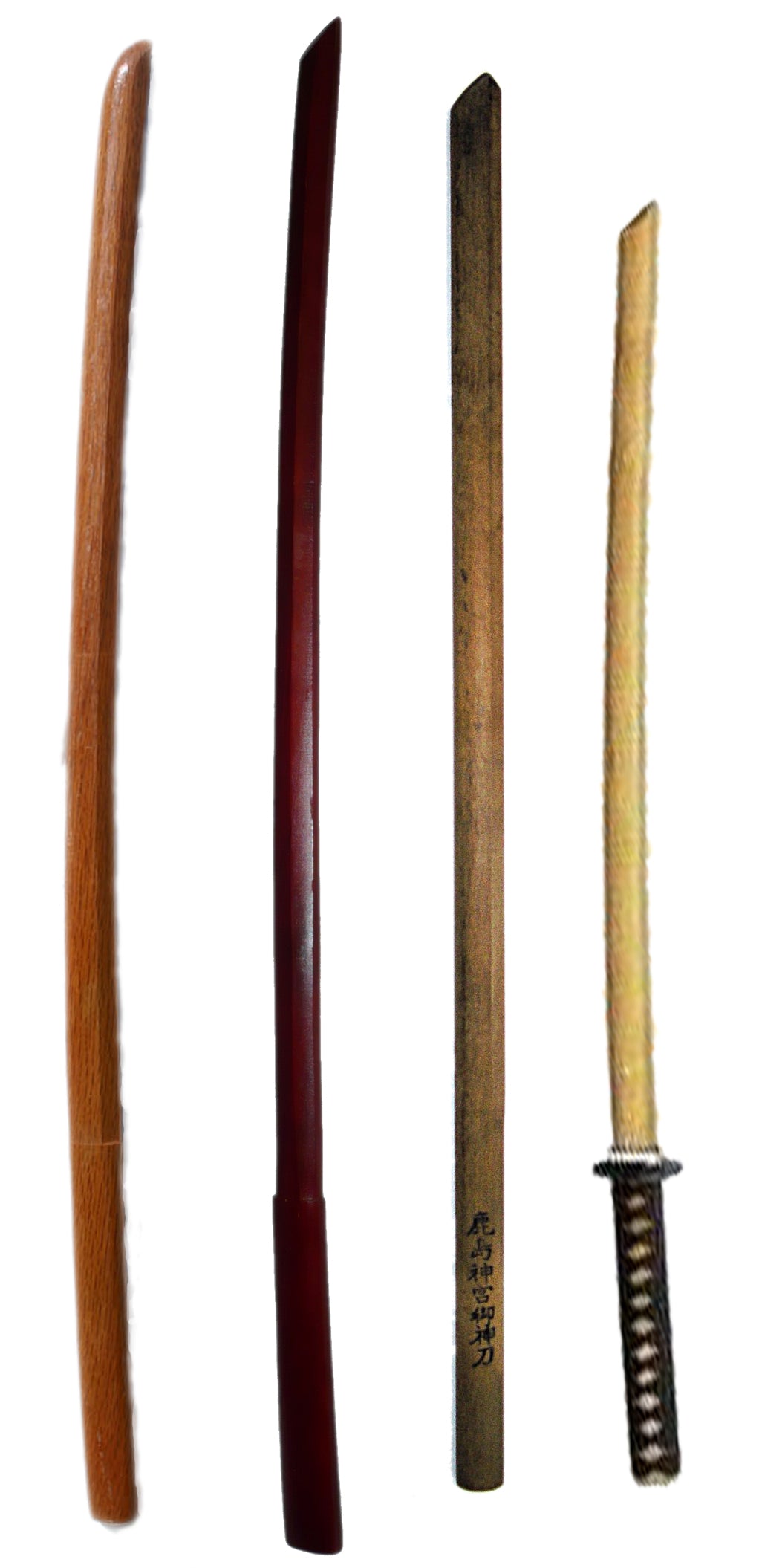

Japan has played an instrumental role in the world's bladesmithing practice. Since the region's feudal period, bladesmiths here have pioneered a variety of high-quality swords, knives and bladed weapons. But while most people are familiar with the katana, Japan has paved the way for countless other swords, including the bokken. To learn more about the bokken and how it was used, keep reading.
Overview of the Bokken
The bokken isn't your ordinary traditional Japanese sword. Although it was invented during feudal Japan -- around the same time as the katana -- it didn't feature an actual "live" blade. Rather, the bokken was a practice sword that featured a wooden construction. It was used by samurai warriors during training sessions to minimize the risk of self-injury, thereby allowing them to practice in a safe environment.
Of course, the katana remained the preferred choice of weapon among samurai warriors during feudal Japan. With its moderate length, curved blade and high-carbon steel, it offered an unparalleled level of versatility on the battlefield. Therefore, samurai warriors would train with a bokken featuring a similar size and design. As shown in the image above, the bokken was strikingly similar to a traditional katana, with the only real difference being its construction. While the katana was made of high-carbon steel -- known as tamahagane steel -- the bokken was made of wood. This allowed samurai warriors to train and perfect their technique while minimizing the risk of self-injury in the process.
History of the Bokken
According to Wikipedia, the bokken first appeared during Japan's feudal period. Reports indicate that kenjutsu master Miyamoto Musashi was able to fight -- and win -- duels with fully equipped competitors while carrying only one or two bokken. In one legend, Musashi was traveling on a boat to prepare for a duel when he carved a bokken out of a wooden oar. Once he arrived on the island for the duel, he used this newly crafted bokken to defeat his opponent.
The Bokken Today
The bokken is still used for training and practice exercises today. The only difference is that it's no longer used by samurai warriors. Rather, the bokken is used by kenjutsu practitioners. In the early 2000s, the All Japan Kendo Federation (AJKF) created a set of exercises involving the bokken. Known as the Bokuto Ni Yoru Kendo Kihon-waza Keiko-ho, these exercises are designed to train kenjutsu practitioners on how to handle a sword.

Who the Muramasa smiths really were, how their blades became linked to the Tokugawa family's misfortunes, and why historians treat the curse as legend.

What nagasa, sori, motohaba, kasane, tsuka length, weight and balance point mean, how each is measured, and how to compare two swords fairly.

What the habaki, tsuba, tsuka, menuki, fuchi, kashira and saya actually do, and how to choose each one when you design a custom katana. Illustrated with museum pieces from the Metropolitan Museum of Art.


