
Your Cart is Empty


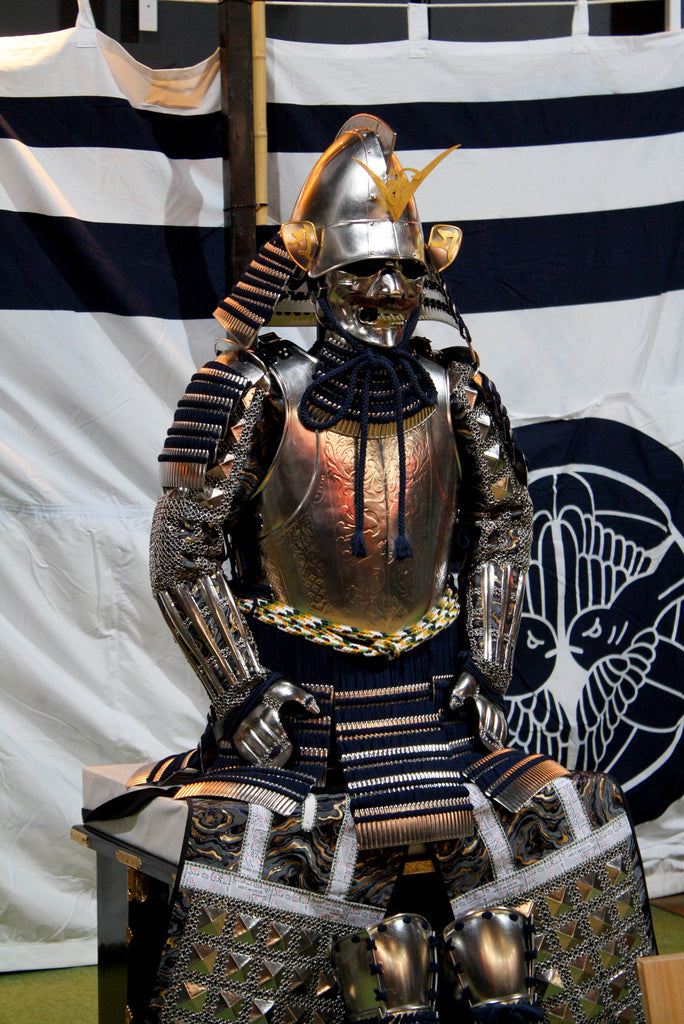

Japanese samurai warriors are regarded as being some of the fiercest warriors in history. Also known as bushi or buke, they followed a strict doctrine that emphasized the importance of the master. Samurai warriors throughout feudal Japan played an essential role in shaping the country into what it is today. If it weren't for their courage and bravery, perhaps Japan would be an entirely different country today.
Of course, Japanese samurai warriors were the country's main fighting force. In addition to maintaining law and order, they were responsible for fending off invading forces, such as the Mongols. They used a variety of weapons, tools and equipment to achieve this goal. Additionally, they often wore heavy sets of armor to protect themselves from injury during battle. In this post, we're going to explore some of the most common types of armor worn by traditional Japanese samurai warriors.
Origins of Japanese Samurai Armor
It's believed that Japanese samurai armor originated from Ancient China and Korea. Of course, this shouldn't come as a surprise given that many traditional Japanese swords also featured similar designs as those produced by its Korean and Chinese neighbors. It wasn't until the 4th century, however, when Japan began making its own cuirasses and helmets, which would become the first standard armor worn by samurai warriors.
Around the 16th century, Japan opened trading routes with Europe. Known as the Nanban trade, this allows the otherwise isolated island nation to receive goods and armor produced in other parts of the world. Samurai warriors were able to acquire European armor like the steel cuirass and comb morion, which were later modified to provide a higher level of protection for the country's samurai warriors.
Components of Samurai Armor
While different samurai warriors wore different types of armor, some of the most common pieces of armor worn by the country's main fighting force included the following:

Who the Muramasa smiths really were, how their blades became linked to the Tokugawa family's misfortunes, and why historians treat the curse as legend.

What nagasa, sori, motohaba, kasane, tsuka length, weight and balance point mean, how each is measured, and how to compare two swords fairly.

What the habaki, tsuba, tsuka, menuki, fuchi, kashira and saya actually do, and how to choose each one when you design a custom katana. Illustrated with museum pieces from the Metropolitan Museum of Art.


